

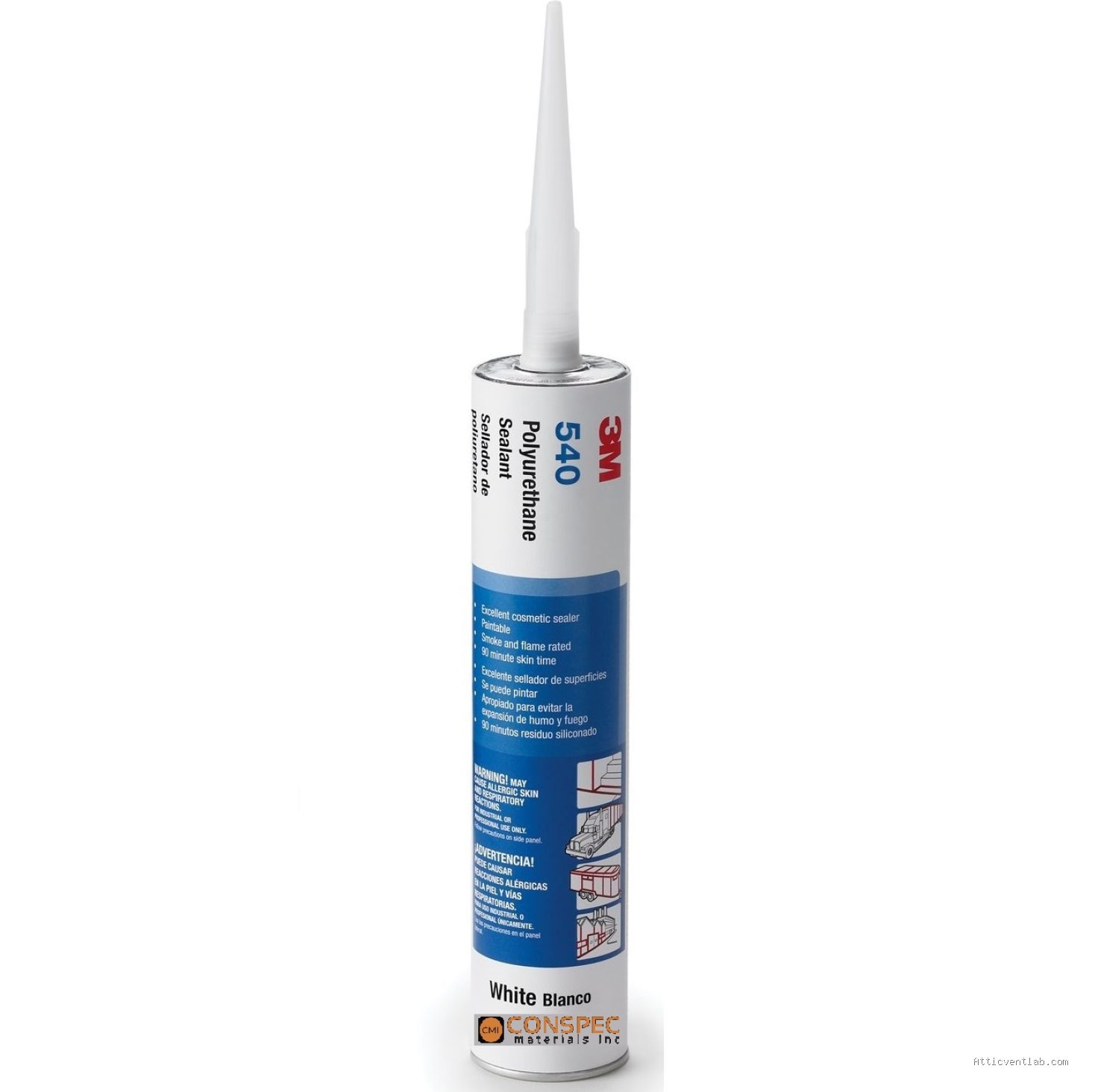
Atticventlab.com – Polyurethane sealants outperform silicone for metal roof flashing seams because they offer superior structural adhesion, high paintability, and exceptional resistance to physical abrasion in dynamic thermal environments. While silicone is inherently flexible, its inability to be painted and its tendency to attract dirt often compromise the long-term integrity and aesthetic performance of metal roofing systems.
The Fundamental Difference in Chemical Composition
To understand why polyurethane is the preferred choice for metal roofing, one must examine the chemical bonding properties of the two materials. Silicone sealants are inorganic polymers that derive their flexibility from a siloxane backbone. This makes them highly resistant to UV radiation and extreme temperature fluctuations. However, because silicone is a low-surface-energy material, almost nothing sticks to it—including paint, dirt, and dust. This creates a maintenance headache on metal roofs where color matching is critical.
Polyurethane sealants, conversely, are organic polymers. They are engineered to provide a high-strength bond that acts almost like a structural adhesive. When applied to metal, polyurethane creates a chemical and mechanical link that withstands the constant expansion and contraction of metal panels. Unlike silicone, polyurethane remains tacky enough to integrate with environmental dust, but it is firm enough to resist the “slump” that often causes leaks in vertical or sloped flashing applications.
Why Metal Roofs Demand More Than Just Flexibility
Metal roofs are dynamic systems. They expand when the sun hits them and contract when temperatures drop at night. This movement, known as thermal cycling, places immense stress on flashing seams—the most vulnerable points on any roof. A sealant on a metal roof must be able to handle “shear stress,” which is the force applied parallel to the surface of the material.
Silicone is excellent for joints that require massive movement, like glass-to-glass expansion joints in skyscrapers. However, for the tight, rigid, yet moving seams of metal flashing, silicone can sometimes peel away if the surface preparation is not perfect. Polyurethane sealants are formulated to be “tough,” meaning they have higher tensile strength. They do not just fill the gap; they reinforce the junction between the flashing and the roof panel, acting as a secondary structural component.
Comparative Analysis of Sealant Performance
| Feature | Polyurethane Sealant | Silicone Sealant |
|---|---|---|
| Adhesion to Metal | Excellent (Structural bond) | Good (Surface bond) |
| Paintability | High (Accepts most coatings) | None (Paint will not stick) |
| Abrasion Resistance | High (Withstands foot traffic) | Low (Easily torn) |
| UV Stability | Moderate (Requires UV blocker) | Excellent (Natural UV resistance) |
| Dirt Pick-up | Low to Moderate | High (Static attraction) |
The Paintability Factor
Aesthetics are rarely secondary when it comes to metal roofing. Most metal roofs are finished with high-quality Kynar or powder-coated paints. When a contractor uses a bright, translucent, or incompatible silicone sealant, it stands out like a sore thumb. Worse, if the homeowner decides to repaint the roof years later, the silicone line will act as a permanent, unsightly streak where paint refuses to adhere.
Polyurethane sealants are fully compatible with most industrial roof coatings. Once cured, they can be painted over to match the exact color of the roof panels. This seamless integration ensures that the flashing does not become an eyesore and that the protective paint layer covers the sealant, providing an additional layer of weather protection.
Practical Application Steps for Metal Flashing
Achieving a long-lasting seal requires more than just picking the right product; it requires proper technique. Improper application is the leading cause of premature sealant failure, regardless of the material used.
- Clean the surface thoroughly using a solvent like denatured alcohol or a specialized metal cleaner to remove all oils, silicone residue, and oxidation.
- Ensure the metal is completely dry, as moisture trapped during application can cause bubbling in polyurethane sealants.
- Apply a high-quality masking tape along both sides of the seam to ensure a clean, professional aesthetic line.
- Dispense the polyurethane sealant in a continuous, even bead, ensuring full contact with both the flashing and the metal panel.
- Tool the sealant immediately using a rounded spatula or a gloved finger to push the material deep into the joint, ensuring there are no air pockets.
- Remove the masking tape immediately after tooling while the sealant is still wet to prevent “skinning” or tearing of the bead edge.
Common Mistakes to Avoid
The most common error is the “over-application” of sealant. Many installers believe that a larger glob of sealant equals a better seal. In reality, a thick, un-tooled bead is prone to internal stress and cracking. You should aim for a smooth, concave profile that allows the sealant to stretch effectively during thermal movement.
Another frequent mistake is applying sealant over existing, failing silicone. Polyurethane will not adhere to silicone. If you are repairing an old roof, you must strip the old silicone completely using a mechanical scraper or a dedicated silicone remover solvent. Failure to remove every trace of silicone will result in the new polyurethane sealant peeling off within a few months.
Risks of Neglecting Flashing Seams
When flashing seams fail, the consequences are often invisible until significant damage has occurred. Water does not always leak directly through the hole; it often travels along the underside of the metal panel, eventually dripping onto roof decking, insulation, or rafters. This leads to hidden mold growth, wood rot, and the degradation of structural fasteners. By choosing a high-performance polyurethane sealant, you are investing in a product that resists the physical wear and tear of a roof surface, providing a much higher safety margin against water intrusion.
Frequently Asked Questions
Q: Can I use polyurethane sealant on a roof that is already leaking?
A: Yes, but only if the surface is completely dry and clean. If the metal is wet or covered in rust, the sealant will not bond, and the leak will persist regardless of the product quality.
Q: How long does a typical polyurethane seal last on a metal roof?
A: When applied correctly to a clean surface, a high-quality industrial polyurethane sealant can provide a watertight seal for 10 to 15 years, depending on the intensity of the UV exposure and thermal cycling.
Q: Does polyurethane sealant require a primer?
A: Most modern polyurethane sealants for metal roofing are self-priming. However, if you are working on oxidized or heavily weathered metal, a light sanding followed by a manufacturer-recommended primer can significantly improve the bond strength.
Ultimately, the choice comes down to the environment and the specific needs of the roof. If the primary goal is a low-maintenance, paintable, and structurally sound seam, polyurethane is the clear winner. It bridges the gap between the rigid metal panels and the flexible nature of the building, ensuring that your flashing remains a robust defense against the elements for years to come.
📷 Photo by conspecmaterials.com





Leave a Reply