

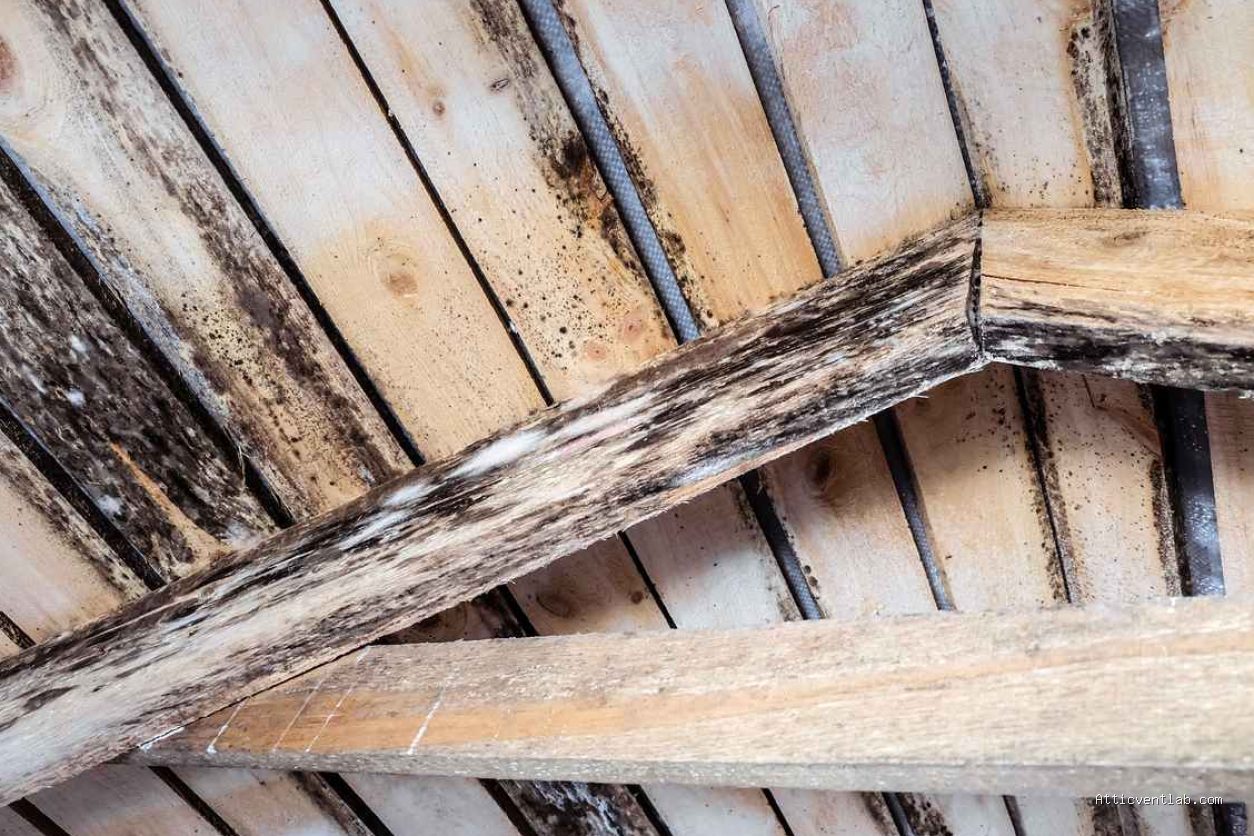
Atticventlab.com – Mold growth on north-facing attic rafters is primarily caused by consistent moisture accumulation due to cooler surface temperatures and inadequate ventilation, which prevents the attic from reaching the dew point required for condensation to evaporate. This issue manifests as dark, fuzzy, or discolored patches on the wood surface, signaling a critical imbalance in your home’s building envelope.
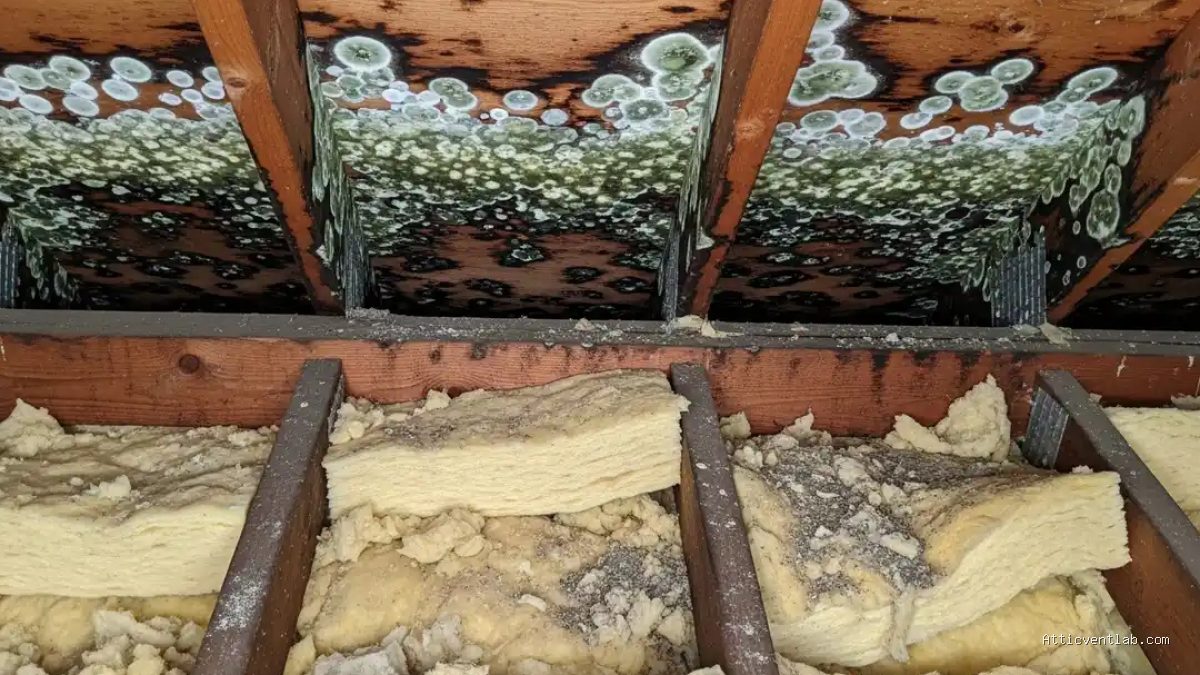
📷 Photo by verifiedremediation.com
Understanding the North-Facing Phenomenon
The north side of a roof receives significantly less direct sunlight than the south or west sides. In the northern hemisphere, this creates a thermal disparity where the north-facing rafters remain cooler throughout the day. When warm, moist air from the living space below migrates into the attic, it hits these cold rafters and condenses into liquid water. This moisture feeds mold spores that are naturally present in the environment, turning your attic structure into a biological nursery.
Visual Signs of Mold Infestation
Identifying mold early is the difference between a simple cleaning job and expensive structural repairs. You should perform a visual inspection at least twice a year, focusing specifically on the northern slope. Look for aesthetic changes in the timber that go beyond natural wood grain variations. Mold on rafters often appears as black, grey, or white powdery patches. In advanced stages, you might notice the wood texture becoming soft or spongy, which indicates that the mold has transitioned from surface growth to wood rot.
Another subtle indicator is the presence of a musty, earthy odor when you first open the attic hatch. Even if you cannot see the mold immediately, the smell is a strong indicator of active fungal colonies. Furthermore, look for water staining or “weeping” marks on the rafters. If the wood appears darker than the surrounding areas or shows streaks running downward, it confirms that condensation is occurring frequently enough to saturate the wood fibers.
Risk Factors and Hidden Causes
High attic humidity is rarely an accident; it is usually the result of a systemic failure in the home’s ventilation or exhaust strategy. One of the most common causes is blocked soffit vents. If insulation has been pushed too far into the eaves, it chokes off the intake airflow, preventing fresh air from pushing out the moist air. Another major culprit is the bathroom or kitchen exhaust fan venting directly into the attic instead of through the roof or wall.
Comparison of Attic Moisture Indicators
| Indicator | Cause | Urgency Level |
|---|---|---|
| Black/Grey Spotting | Surface mold colonization | Moderate – Clean immediately |
| Musty/Earthy Odor | High humidity/spore release | High – Investigate source |
| Soft/Spongy Rafters | Fungal decay/Rot | Critical – Structural repair needed |
| Frost on Nails | Extreme condensation | Moderate – Improve ventilation |
Steps to Mitigate Attic Mold Growth
Once you have identified mold on your north-facing rafters, you must take immediate action to stop the moisture source before addressing the cleanup. Follow these steps to restore your attic’s health:
- Locate and seal air leaks: Use spray foam or caulk to seal gaps around plumbing stacks, electrical wires, and light fixtures that allow warm air to escape from the ceiling below.
- Clear ventilation pathways: Ensure that baffle vents are correctly installed in the eaves so that insulation does not obstruct the flow of air from the soffits.
- Verify exhaust termination: Check that all bathroom and kitchen exhaust ducts are fully sealed and vented to the exterior of the house, not into the attic space.
- Clean the affected areas: Use a HEPA-rated vacuum to remove loose spores, then apply a specialized mold remediation solution specifically designed for porous wood surfaces.
- Monitor humidity levels: Install a digital hygrometer in the attic to track moisture levels, aiming for a relative humidity below 60 percent.
The Importance of Attic Airflow
Proper attic ventilation is based on the principle of a balanced system. You need a consistent intake of cool air at the soffits and a corresponding exit point at the ridge or gable ends. When the north side is consistently colder, the air movement must be strong enough to sweep away the moisture before it can settle on the rafters. If your attic lacks adequate intake, the exhaust vents at the top are essentially useless, as they have no air to pull through the space.
Common Mistakes in Prevention
Many homeowners make the mistake of simply painting over the mold with standard interior paint. This traps the moisture inside the wood, accelerating the rate of decay and effectively masking the problem rather than solving it. Additionally, some attempt to use bleach to clean mold from rafters. Bleach is ineffective on porous materials like wood; it only kills the surface growth while leaving the root structure (hyphae) intact, and it can actually damage the wood fibers, making them more susceptible to future growth.
Long-term Maintenance
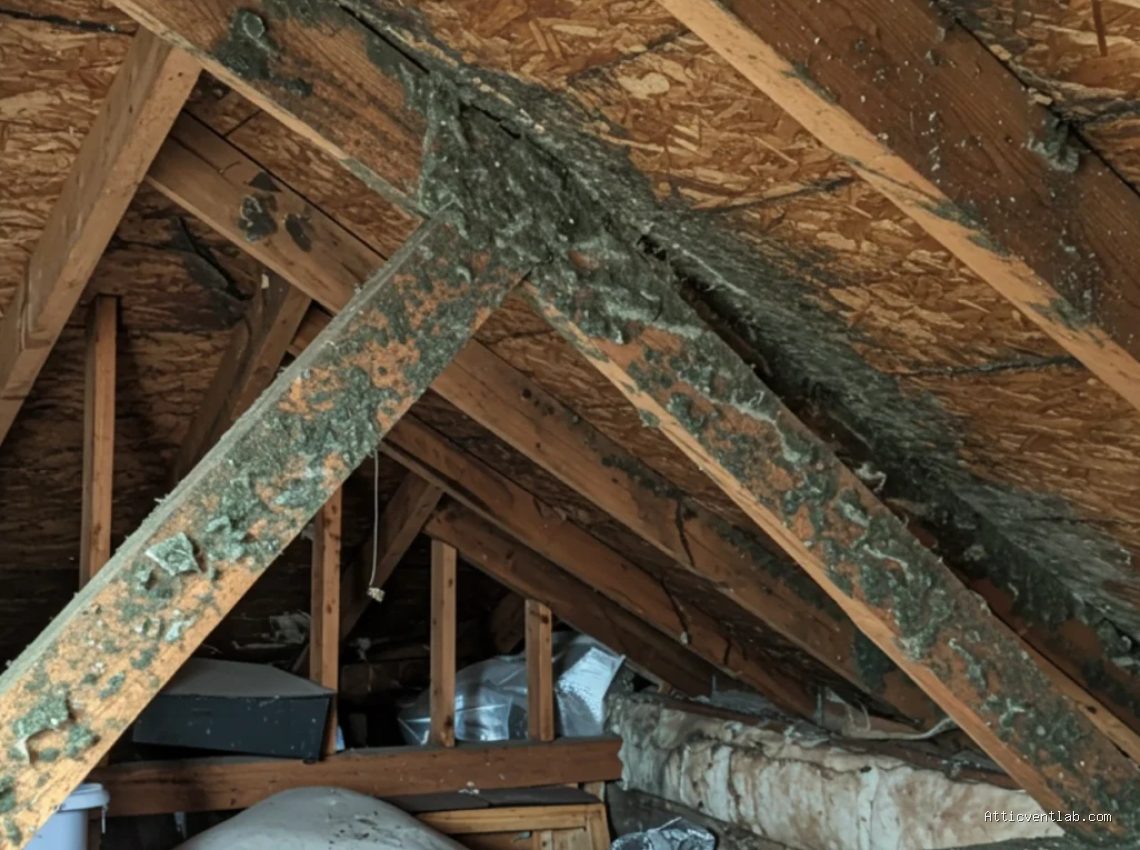
📷 Photo by aircareenvironmental.com
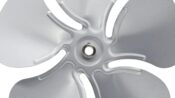
After the remediation process, you must maintain a consistent inspection schedule. During the winter months, when the temperature difference between the attic and the outside air is at its peak, condensation risk is highest. If you live in an area with high humidity, consider installing a solar-powered attic fan or a mechanical ventilation system to force air movement during the day when the sun is out, helping to dry out the north-facing rafters even if they are in the shade.
Q: Is it safe to leave attic mold alone if it is not spreading?
A: No. Mold in an attic is a symptom of a moisture problem. If left untreated, the moisture will eventually lead to structural rot, and the mold spores can migrate into your living space, potentially affecting indoor air quality.
Q: Can I just add more insulation to fix the cold rafters?
A: Adding insulation on the attic floor helps keep your home warm, but it does not stop the condensation on the rafters. In fact, if you block the soffit vents while adding insulation, you will likely make the mold problem significantly worse by restricting airflow.
Q: Should I hire a professional for mold remediation?
A: If the mold covers a large area (typically more than 10 square feet) or if you see signs of structural wood rot, you should hire a certified mold remediation specialist to ensure the safety and structural integrity of your roof support system.
📷 Photo by homedit.com


Leave a Reply