

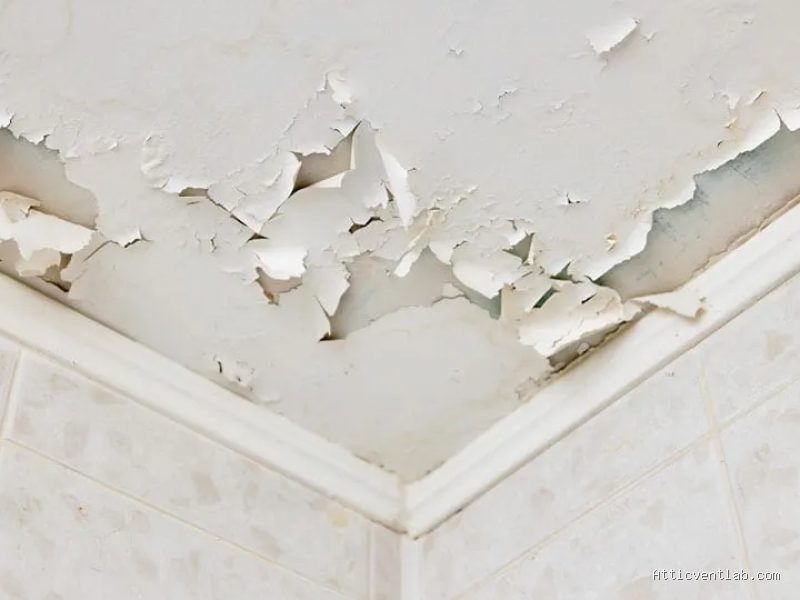
Atticventlab.com – Peeling ceiling paint underneath attic ridge vents after heavy rain is primarily caused by moisture infiltration from roof leaks or severe attic condensation triggered by improper ventilation and temperature differentials. This moisture weakens the bond between the paint and the drywall, leading to bubbling, cracking, and eventual detachment.
Understanding the Moisture Pathway
When you notice paint peeling directly beneath a ridge vent, your first instinct might be to blame the roof installation. While a faulty ridge vent is a common culprit, the issue is often more nuanced. Ridge vents are designed to allow hot, moist air to escape the attic; however, if they are improperly installed or if the roof pitch is too low, they can allow wind-driven rain to enter the attic space.
Once moisture enters, it often settles on the attic floor or the top of the ceiling drywall. Because the ridge vent is the highest point of your roof, water entering there can travel down rafters or internal structural members before dripping onto the ceiling surface. This creates a localized area of saturation that compromises the integrity of your interior paint finish.
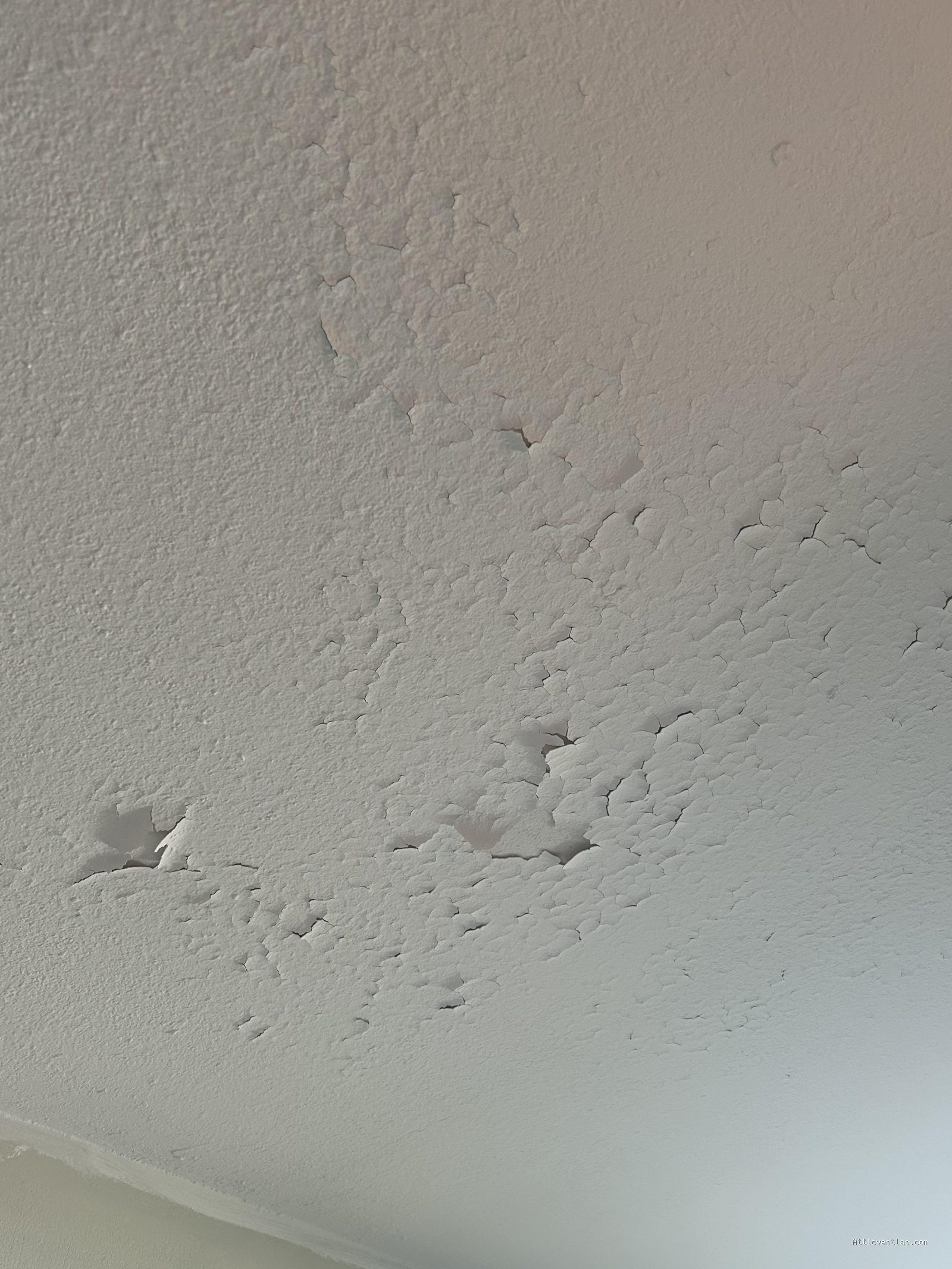
📷 Photo by storage.googleapis.com
The Role of Attic Condensation
It is not always liquid water from rain that causes the damage. Heavy rain events often bring a sudden drop in outdoor temperature and a spike in humidity. If your attic lacks proper insulation or air sealing, the warm air from your living space will rise into the attic and meet the cold, rain-chilled roof deck. This creates rapid condensation on the underside of the roof sheathing.
This condensation can accumulate and drip directly onto the ceiling below. Over time, the repeated cycle of wetting and drying causes the paint to lose its adhesion. Unlike a direct roof leak, which leaves a distinct brown water ring, condensation-related damage often appears as widespread bubbling or flaking paint without the characteristic “tide marks” associated with major roof leaks.
Comparison of Potential Failure Points
| Issue Type | Primary Indicator | Typical Cause |
|---|---|---|
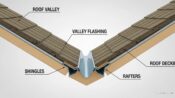
| Wind-Driven Rain | Localized dripping after storms | Improper ridge vent flashing or shingles |
| Attic Condensation | Widespread bubbling/peeling | Poor insulation or blocked soffit vents |
| Ice Damming | Water backup at roof eaves | Poor ventilation and heat loss |
| Plumbing Leak | Consistent dampness | Pipe failure above the ceiling |
Steps to Diagnose and Address the Problem
If you are dealing with peeling paint, you must address the root cause before simply scraping and repainting the area. Follow these steps to identify the source of the moisture:
- Inspect the attic space during the day without lights to see if any daylight is visible through the ridge vent or roof deck, which indicates gaps where water can enter.
- Check the insulation directly above the peeling paint; if the insulation is matted or damp, you have an active leak or a significant condensation issue.
- Examine the underside of the roof sheathing near the ridge vent for signs of black mold or wood discoloration, which suggests long-term moisture buildup.
- Ensure your soffit vents are not blocked by insulation, as this prevents the necessary airflow required to keep the attic dry and prevent condensation.
- Consult a professional roofer to perform a smoke test or a water test on the ridge vent to verify if the flashing is effectively shedding water away from the attic interior.
Risks of Ignoring Peeling Paint
Ignoring peeling paint in this specific location is a recipe for structural degradation. Drywall that remains damp for extended periods becomes a fertile breeding ground for mold and mildew. Beyond the aesthetic damage, mold spores can infiltrate your home’s air supply, posing health risks to occupants. Furthermore, if the moisture is coming from the roof deck, it can lead to wood rot in the trusses and rafters, which is significantly more expensive to repair than a simple paint job.
Common Mistakes in Repair
A common error is to simply scrape the loose paint, apply a fresh coat of primer, and paint over the area. Without fixing the ventilation or the leak, the new paint will inevitably peel again within a few months. Another mistake is over-insulating the attic floor without addressing the air sealing. If warm, humid air from your home continues to bypass your ceiling fixtures or attic hatch, the insulation will trap that moisture, potentially accelerating the damage to your roof structure.
Frequently Asked Questions
Q: Does a ridge vent guarantee that my attic will stay dry?
A: No. A ridge vent is only effective if it is paired with adequate intake ventilation at the soffits. Without balanced airflow, the vent cannot properly exhaust humid air, leading to condensation even in the absence of roof leaks.
Q: Can I fix a leaking ridge vent with silicone caulk?
A: Avoid using caulk to seal a ridge vent. Ridge vents are designed to allow air to pass through; blocking these gaps with sealant will trap moisture in your attic and lead to much larger problems, including roof rot and shingle deterioration.
Q: How can I tell if the moisture is from a leak or condensation?
A: Condensation usually occurs across larger areas and fluctuates with outdoor temperature changes, whereas a leak is typically localized and creates a specific path of water damage that correlates with the location of the roof flashing or vents.
Always prioritize safety when inspecting your attic. If you are uncomfortable navigating rafters or working at heights, hire a certified roofing contractor or a home inspector to evaluate the structural integrity of your roof and ventilation system.
📷 Photo by tribblepainting.com


Leave a Reply