

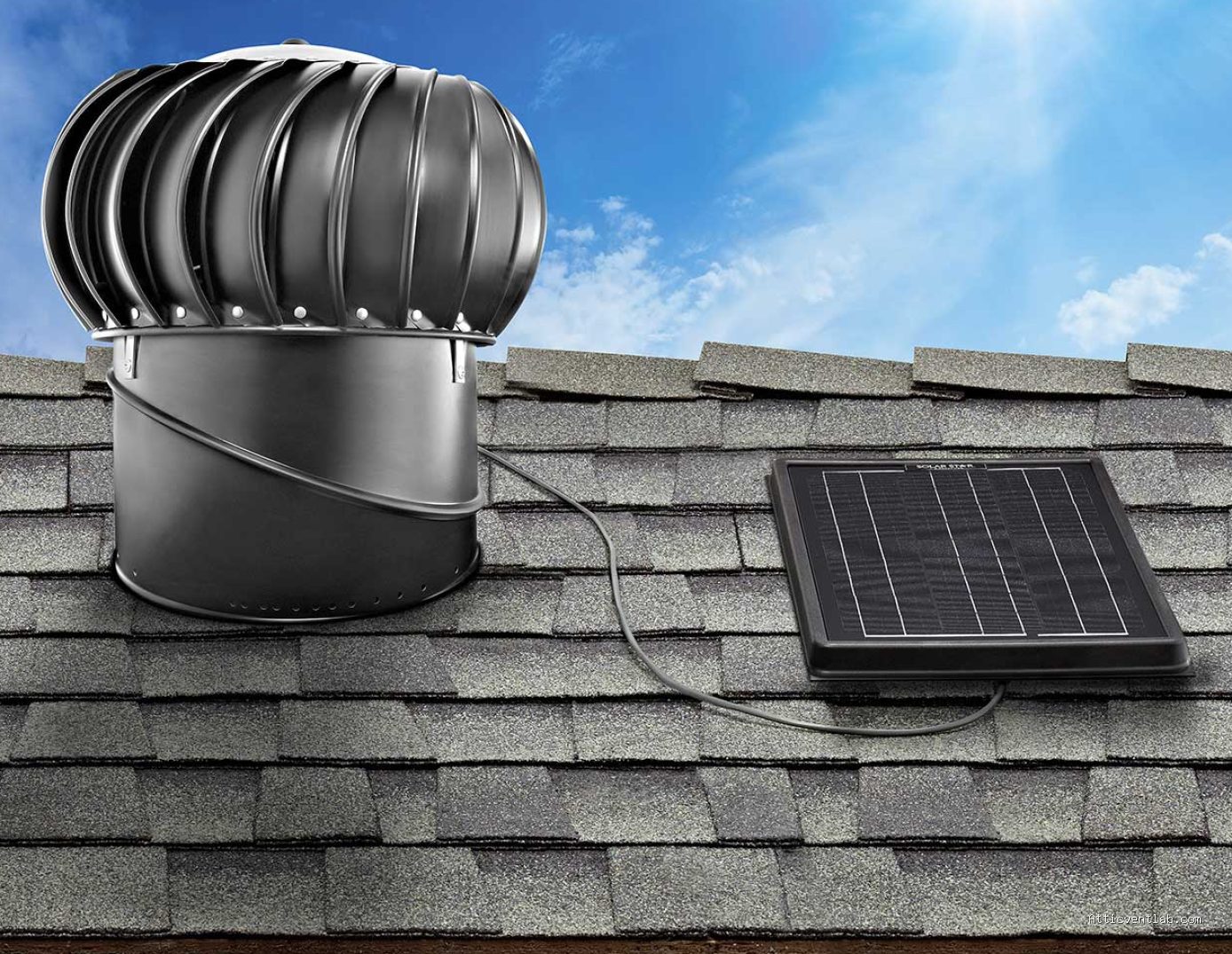
Atticventlab.com – Solar attic exhaust fans stop spinning on cloudy days because their integrated photovoltaic panels fail to generate sufficient voltage to overcome the motor’s internal resistance when sunlight intensity drops below the operational threshold. This is a normal safety feature designed to prevent motor strain and electrical inefficiency during low-light conditions.
The Mechanics of Solar-Powered Ventilation
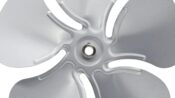
Unlike hardwired electric fans that draw constant power from your home’s grid, solar attic fans rely exclusively on the energy harvested from sunlight. The photovoltaic cells on top of the unit convert photons into electrical current. When clouds obscure the sun, the light spectrum shifts and the intensity of solar radiation hitting the panel decreases significantly. If the voltage drops below the minimum requirement to kickstart the motor, the fan blade will simply stop moving.
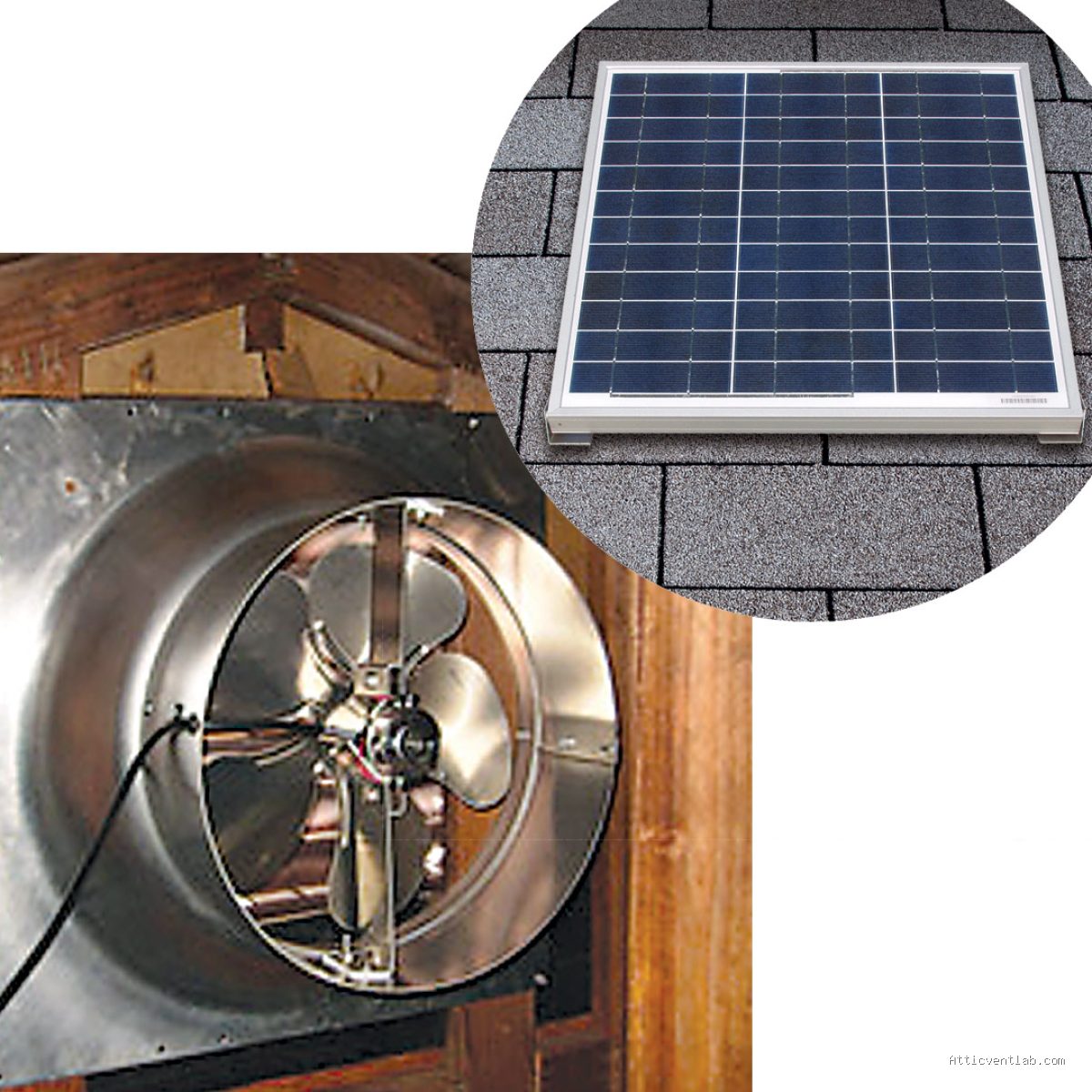
📷 Photo by earthtechproducts.com
This behavior is not necessarily a sign of a broken fan. Most modern solar attic fans are equipped with a controller that regulates power flow. When there isn’t enough energy to maintain a steady spin, the controller cuts the power to protect the motor from burning out due to inconsistent voltage. If your fan shuts down during overcast weather, it is functioning exactly as the manufacturer intended.
Common Causes of Premature Stalling
While cloudy weather is a legitimate reason for a fan to stop, some units stop spinning even when there is moderate light. This often points to maintenance issues rather than a lack of sun. Dust, grime, and pollen accumulation on the solar panel can reduce its efficiency by up to 30 percent. If the panel is dirty, it requires a much higher intensity of sunlight to generate the same amount of power, causing the fan to quit prematurely.
Another frequent culprit is bearing friction. Over time, the lubricant inside the fan motor can dry out or collect dust, increasing the amount of torque needed to turn the blades. On a sunny day, the panel might produce enough power to overcome this friction, but on a cloudy day, the diminished power output is insufficient. This creates a scenario where the fan works fine under direct sun but appears “broken” the moment a cloud passes by.
Comparison of Fan Performance Factors
| Factor | Impact on Performance | Fix/Mitigation |
|---|---|---|
| Panel Cleanliness | High | Wipe with a damp cloth monthly |
| Bearing Wear | Medium | Apply silicone-based lubricant |
| Cloud Density | High | Normal operation; no fix needed |
| Panel Angle | Medium | Adjust to face true south |
Steps to Troubleshoot and Optimize Your Solar Fan
If you suspect your fan is stopping more often than it should, follow this systematic approach to identify the root cause. Always prioritize safety and ensure your ladder is stable before accessing your roof.
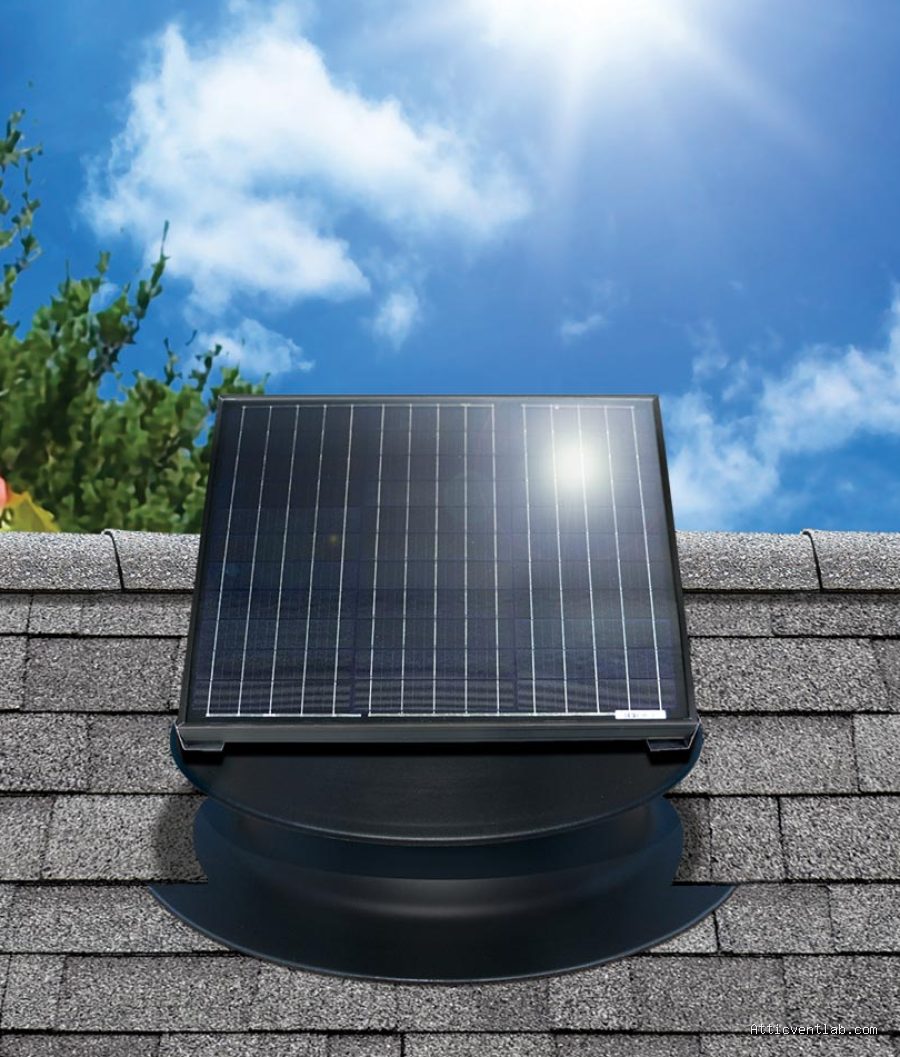
📷 Photo by kennedyskylights.com
- Inspect the solar panel surface for bird droppings, heavy dust, or debris that might be casting shadows on the cells.
- Clean the panel using a soft, non-abrasive cloth and mild soap. Avoid harsh chemicals that could damage the anti-reflective coating of the panel.
- Check the fan blades for physical obstructions, such as twigs or nesting materials that may have been pushed into the housing by wind.
- Spin the fan blade manually with the unit powered off; if it feels gritty or stops immediately, the motor bearings are likely worn and require replacement or lubrication.
- Verify that the wiring connections between the panel and the motor are tight and free of corrosion, which can cause voltage drops.
The Hidden Risks of Inactive Attic Ventilation
When your fan stops, your attic becomes a stagnant zone. During the summer, the temperature in an unventilated attic can soar above 150 degrees Fahrenheit. This trapped heat radiates back into your living space, forcing your air conditioning system to work significantly harder. This leads to higher utility bills and premature aging of your roofing materials, particularly asphalt shingles which can blister and crack under extreme heat.
Beyond heat, moisture is the silent enemy. Even on cloudy days, your home produces moisture from cooking, showering, and breathing. This vapor rises into the attic. If the fan isn’t spinning to exhaust this humid air, the moisture will condense on the underside of the roof deck. Over time, this leads to mold growth, wood rot, and compromised structural integrity of your roof trusses.
Upgrading for Consistent Performance
If you find that your attic is frequently humid or hot because of the fan’s reliance on sunlight, consider installing a hybrid solar-electric adapter. These devices allow the fan to pull power from the home’s grid when the solar panel output falls below a certain level. This ensures the fan keeps spinning regardless of cloud cover, providing the consistent air exchange necessary for a healthy attic environment.
Frequently Asked Questions
Q: Can I add a battery backup to my existing solar attic fan to keep it running on cloudy days?
A: Most standard solar attic fans are not designed for battery integration. Adding an aftermarket battery requires a specific charge controller and a compatible battery chemistry to prevent fire hazards or motor damage.
Q: Is it normal for my solar fan to make a clicking sound when it tries to start under clouds?
A: That clicking is often the sound of the relay or the motor attempting to engage. It happens when there is just enough current to trigger the start-up sequence, but not enough to maintain rotation, causing the system to cycle on and off rapidly.
Q: Should I install a larger solar panel to solve the cloud issue?
A: A larger panel can help by increasing the baseline voltage, but it will not solve the issue entirely. If the light intensity is low enough, even a larger panel will eventually drop below the necessary threshold, though it will certainly stay on longer than a stock panel.
📷 Photo by solatube.co.uk


Leave a Reply