

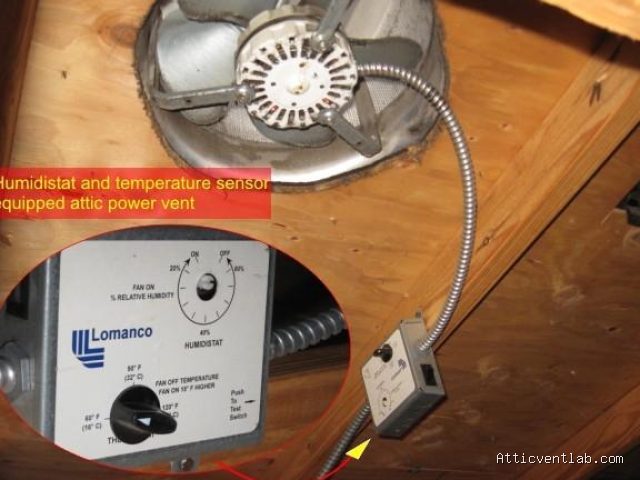
Atticventlab.com – To prevent winter moisture rot, set your attic fan humidistat between 30% and 50% relative humidity, ensuring the fan only engages when moisture levels threaten to condense on structural wood. Adjusting these settings correctly balances the need for ventilation against the risk of freezing cold air entering the attic space.
Winter moisture in the attic is a silent killer of residential property. Many homeowners assume that attic ventilation is exclusively a summer concern meant to combat heat, but winter presents a more dangerous challenge: condensation. When warm, moist air from your living space leaks into the attic and meets cold roof sheathing, it turns into liquid water. Over time, this cycle leads to mold growth, wood rot, and compromised structural integrity. A properly calibrated humidistat serves as the primary defense against this accumulation.
Understanding the Role of the Humidistat
A humidistat is a control device that monitors the moisture content in the air. Unlike a thermostat, which reacts to temperature fluctuations, the humidistat triggers your attic fan to exhaust damp air when humidity levels climb above your set threshold. During winter, the goal is not to cool the attic—which should remain as close to the outdoor temperature as possible—but to prevent the air from reaching its dew point.
The dew point is the temperature at which air becomes saturated and can no longer hold water vapor. If your attic air is at 60% humidity and the temperature drops rapidly at night, that moisture will inevitably settle on your rafters and roof deck. By keeping the humidity levels lower, you increase the safety margin, ensuring that even if the temperature drops, the moisture content remains too low to condense into liquid droplets.
Recommended Humidistat Settings
Setting your humidistat is a balancing act. If you set it too low, the fan will run constantly, potentially drawing more warm, moist air from your house into the attic through bypasses like recessed lighting or attic hatches. If you set it too high, the air will remain saturated, leading to frost buildup on the underside of the roof. The following table provides a guideline for adjusting these settings based on regional climate conditions.
| Climate Type | Recommended Humidity Setting | Reasoning |
|---|---|---|
| Dry/Arid Winters | 45% – 50% | Lower risk of condensation; allows for less frequent fan operation. |
| Moderate/Coastal Winters | 35% – 40% | Higher exterior humidity requires lower interior thresholds. |
| Extreme Cold/High Snow | 30% – 35% | Crucial to prevent frost-melt cycles that lead to immediate rot. |
Step-by-Step Calibration Guide
Calibrating your humidistat requires a bit of trial and error during the first few weeks of winter. Follow these steps to find your “sweet spot” for moisture control:
- Install a digital hygrometer in your attic to get an independent, accurate reading of the current moisture levels.
- Locate the adjustment dial on your attic fan humidistat, which is typically found inside the fan housing or mounted on a nearby rafter.
- Start by setting the dial to 40% during a period of average winter weather.
- Observe the fan behavior for 48 hours; if the fan runs constantly without stopping, increase the setting by 5% to prevent excessive energy loss.
- Check the roof sheathing for any signs of dampness or frost every few days; if you see moisture, decrease the setting by 5% until the fan engages more frequently.
- Once the fan cycles on and off occasionally and the roof remains dry to the touch, lock in that setting for the duration of the winter season.
Common Mistakes and Risks
The most common error homeowners make is assuming that the attic fan should be turned off entirely during the winter. While it is true that you want to prevent heat loss, a completely stagnant attic is a breeding ground for mold. Another mistake is ignoring air leaks in the attic floor. If your attic floor is not properly sealed, the humidistat will trigger the fan because it is constantly sensing the moisture from your kitchen and bathroom.
If you find that your humidistat is constantly triggering the fan even at higher settings, the problem is likely not the attic ventilation itself, but rather “attic bypasses.” These are gaps around plumbing stacks, electrical wires, and attic access panels that allow warm, moist air from your living space to bypass your insulation. If these are not sealed, no amount of fan adjustment will solve the moisture problem, and you will simply be venting your expensive home heat out through the roof.
Signs of Improper Attic Humidity
You can identify if your current settings are incorrect by looking for physical indicators. Frost on the underside of the roof sheathing during a cold snap is a clear sign that the humidity is too high. If you notice a musty smell when you enter the attic, or if you see dark, circular spots on the plywood, you are already experiencing the early stages of wood rot. These signs necessitate an immediate reduction in your humidistat threshold and an inspection of your attic’s insulation and ventilation pathways.
Frequently Asked Questions
Q: Should I turn off my attic fan completely during the winter?
A: No, keeping the attic ventilated is essential to prevent moisture buildup, but the fan should be controlled by a humidistat or thermostat to ensure it only runs when necessary to manage air quality and moisture levels.
Read also: Causes of Brown Water Rings on Ceilings Adjacent to Exterior Brick Walls
Q: Will running an attic fan make my house colder in the winter?
A: If your attic floor is properly insulated and air-sealed, the attic fan should have minimal impact on your living space temperature; however, if there are air leaks, the fan will pull warm air out of your house, which will increase your heating costs.
Q: How often should I check my humidistat settings?
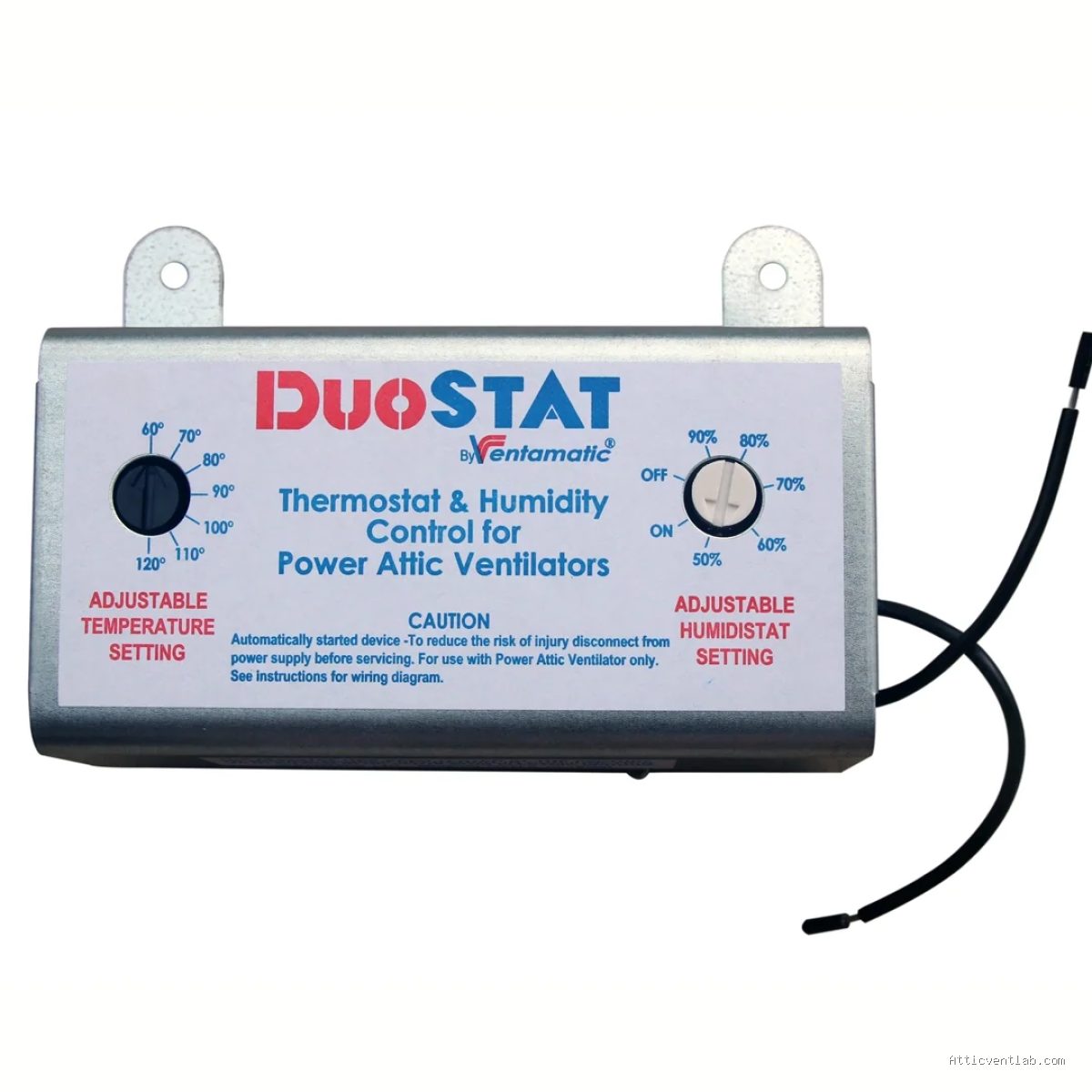
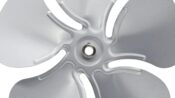
📷 Photo by usfanco.com
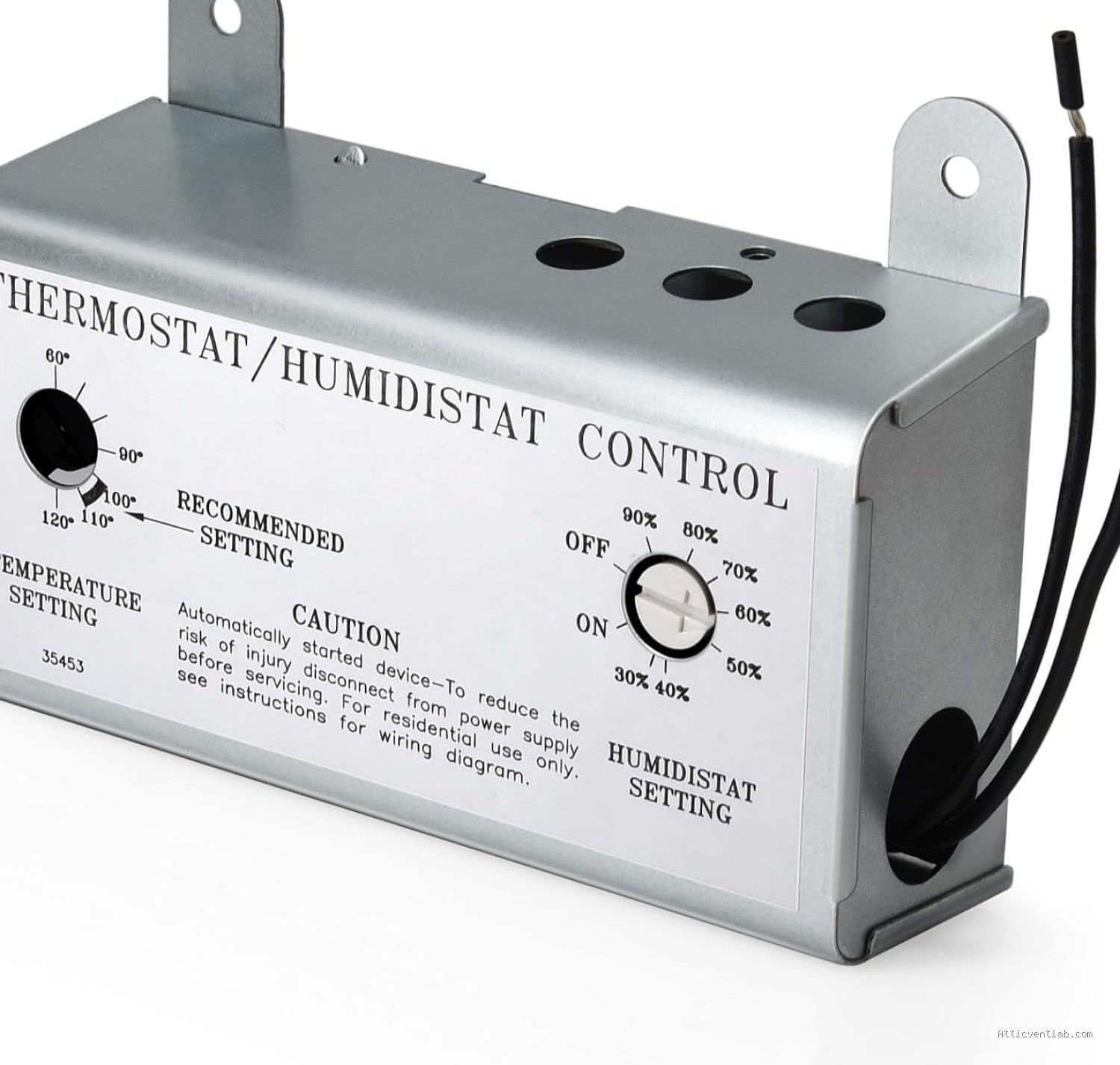
📷 Photo by amazon.com
A: You should check your settings at the onset of winter and again at the beginning of spring, as the external moisture levels change significantly with the shifting seasons and temperatures.
Maintaining a dry attic is about managing the relationship between temperature, airflow, and moisture. By following these guidelines and regularly monitoring your attic’s condition, you can prevent the expensive and destructive consequences of winter moisture rot, ensuring the longevity of your roof structure for years to come.
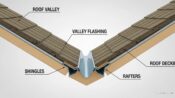
📷 Photo by checkthishouse.com



1 Comments
[…] Read also: How to Adjust Attic Fan Humidistat Settings to Prevent Winter Moisture Rot […]