

Atticventlab.com – Lowering summer attic temperatures without high-wattage fans is best achieved through a combination of passive ventilation upgrades, radiant barrier installation, and sealing air leaks that allow heat to migrate from your living space into the rafters.
The Physics of Attic Heat Accumulation
Attics act as thermal sponges during the summer. As solar radiation hits your roof, shingles absorb heat and transfer it into the attic space, where temperatures can easily soar past 150 degrees Fahrenheit. Without proper management, this superheated air radiates downward through your ceiling drywall, forcing your air conditioning unit to work significantly harder to keep the interior living space cool.
The common mistake homeowners make is assuming that adding more powered fans is the only solution. In reality, mechanical fans often consume more electricity than they save and can create negative pressure issues if the attic is not properly sealed. Passive solutions focus on airflow dynamics and thermal reflection, which require zero ongoing energy costs.
Passive Ventilation Tactics
The most effective passive strategy is ensuring a balanced intake and exhaust ratio. Many attics suffer from inadequate soffit vents, which are the intake points located under the eaves. If your intake vents are blocked by insulation or debris, your ridge vents—the exhaust points at the peak of the roof—cannot effectively pull cool air through the attic. Clearing these paths allows natural convection, where hot air rises and escapes through the top while pulling cooler air from the bottom.
Integrating Radiant Barriers
Installing a radiant barrier is one of the most high-impact changes you can make. These materials, typically made of highly reflective aluminum foil, are applied to the underside of the roof rafters. By reflecting up to 97 percent of the radiant heat emitted by the roof deck, you prevent the heat from ever entering the attic air mass in the first place. This is vastly more efficient than trying to vent the heat out after it has already entered.
Checklist for Passive Attic Cooling
| Strategy | Primary Benefit | Difficulty Level |
|---|---|---|
| Soffit Vent Clearing | Promotes natural convection | Low |
| Radiant Barrier | Reflects solar radiation | Medium |
| Air Sealing | Prevents convective heat gain | Medium |
| Roof Coating | Lowers shingle surface temp | High |
Step-by-Step Guide to Sealing Attic Air Leaks
Air leaks around light fixtures, plumbing stacks, and electrical wires are hidden culprits that allow hot attic air to bypass your insulation. Follow these steps to seal your attic floor:
- Locate all penetrations in the attic floor, such as around chimneys, plumbing vent pipes, and electrical boxes.
- Use heat-resistant, fire-rated spray foam to seal the gaps around plumbing pipes and electrical wires.
- Install airtight covers or boxes over recessed light fixtures that are not rated for direct contact with insulation.
- Ensure the attic access hatch is weather-stripped and insulated, as this is a major point of heat exchange.
- Check the perimeter where the wall top plates meet the attic floor and seal any visible gaps with caulk or expanding foam.
The Role of Roof Surface Temperature
Your roof color plays a significant role in how much heat enters your attic. Dark shingles absorb the majority of the solar spectrum, turning your roof into a giant heat radiator. If you are due for a roof replacement, opting for “cool roof” materials or lighter-colored shingles can reduce the surface temperature of your roof by 30 to 50 degrees. If a new roof is not an option, applying a reflective roof coating can achieve similar, albeit less dramatic, results.
Common Mistakes to Avoid
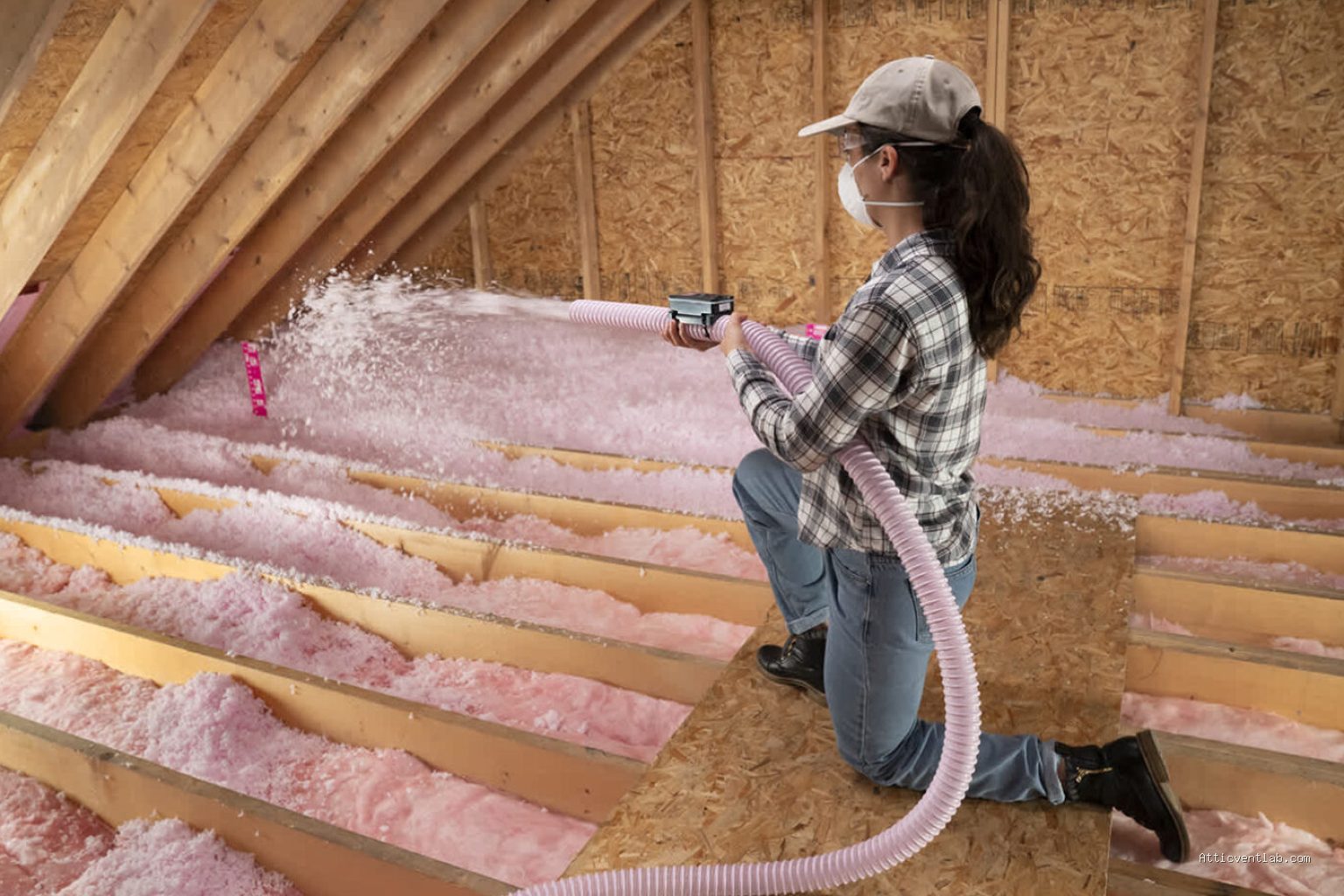
One common error is blocking soffit vents with fiberglass insulation. When installers blow insulation into the attic, they often push it all the way to the eaves, effectively choking the ventilation system. Always use “baffles” or “soffit chutes” to maintain an open channel for air to flow from the soffit into the attic. Another mistake is over-venting; adding too many vents without proper intake balance can actually disrupt the airflow pattern and create dead zones where heat stagnates.
Read also: Causes of Roof Leaks Originating from Rusty Valley Center Rib Cracks
Risks of Excessive Attic Heat
Beyond the increased cost of air conditioning, extreme attic temperatures can degrade the structural components of your home. High heat can cause asphalt shingles to curl and lose their mineral granules prematurely. Furthermore, if moisture is present, the combination of high heat and humidity can lead to warped roof decking and even mold growth in the insulation, which compromises your home’s air quality.
Frequently Asked Questions
Q: Does adding more insulation to the attic floor help lower temperatures?
A: Adding insulation slows the transfer of heat into your living space, making your home feel cooler, but it does not lower the temperature of the attic itself. In fact, it keeps the heat trapped in the attic, so it is crucial to ensure ventilation is optimized before adding insulation.
Q: Are passive vents effective in areas with no wind?
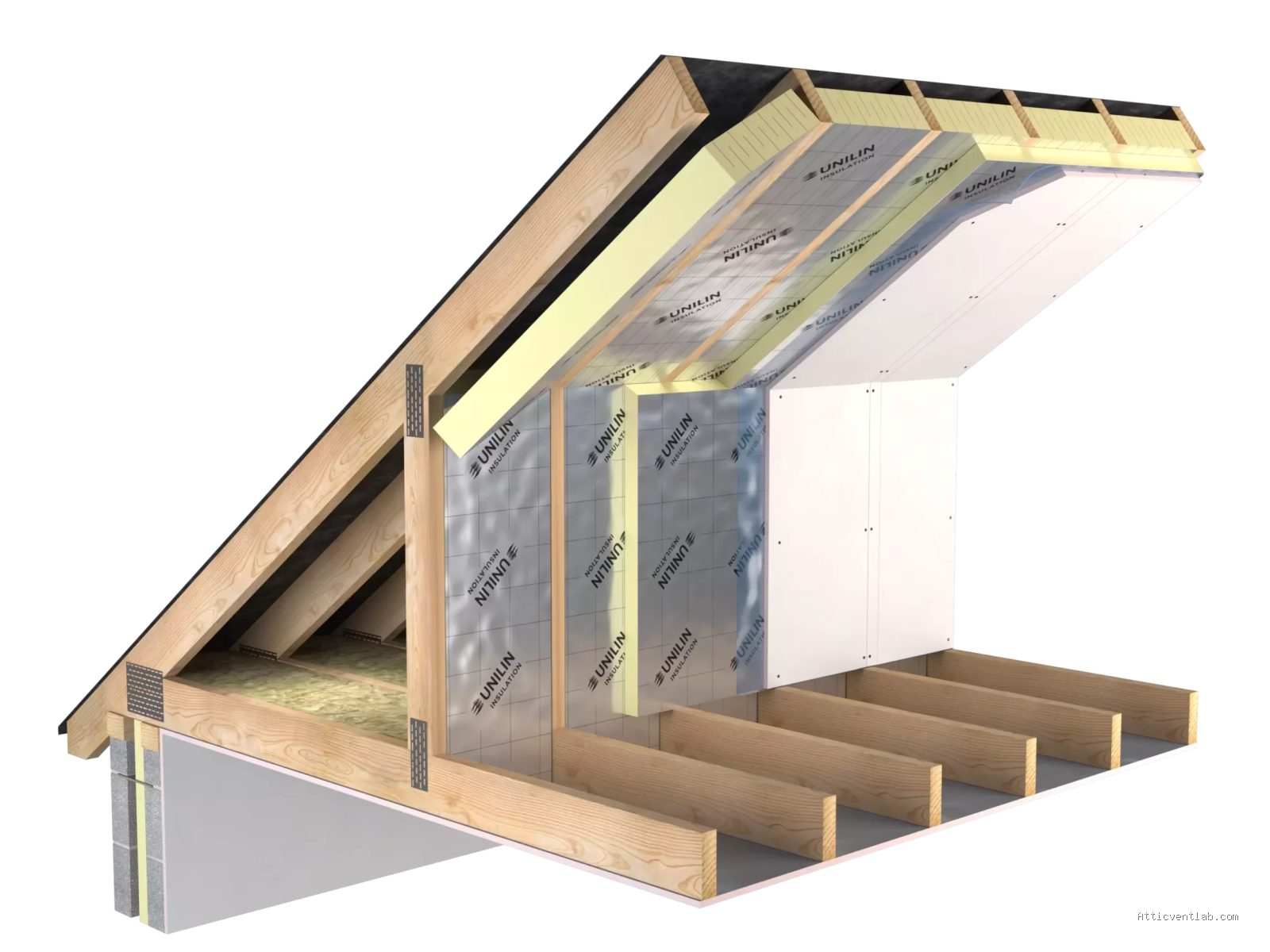
📷 Photo by unilininsulation.ie
A: Yes. Passive ventilation relies more on the “stack effect” (hot air rising) than on wind speed. As long as there is a temperature difference between the attic and the outside air, the warm air will naturally rise and exit through the high vents, pulling in cooler air from the low vents.
Q: Can I use radiant paint instead of foil barriers?
A: While radiant paints exist, they are generally far less effective than physical radiant barrier foil. Foil provides a consistent, high-reflectivity surface, whereas paint performance can be inconsistent and prone to degradation over time due to dust accumulation.
By focusing on blocking the heat entry through radiation and sealing the pathways that allow air leakage, you can maintain a much cooler attic environment. These passive methods offer a permanent, maintenance-free, and energy-efficient way to protect your home’s structure and reduce your cooling load throughout the summer months.
📷 Photo by outerplaces.com



1 Comments
[…] Read also: How to Lower Summer Attic Temperatures Without Running High-Wattage Fans […]