

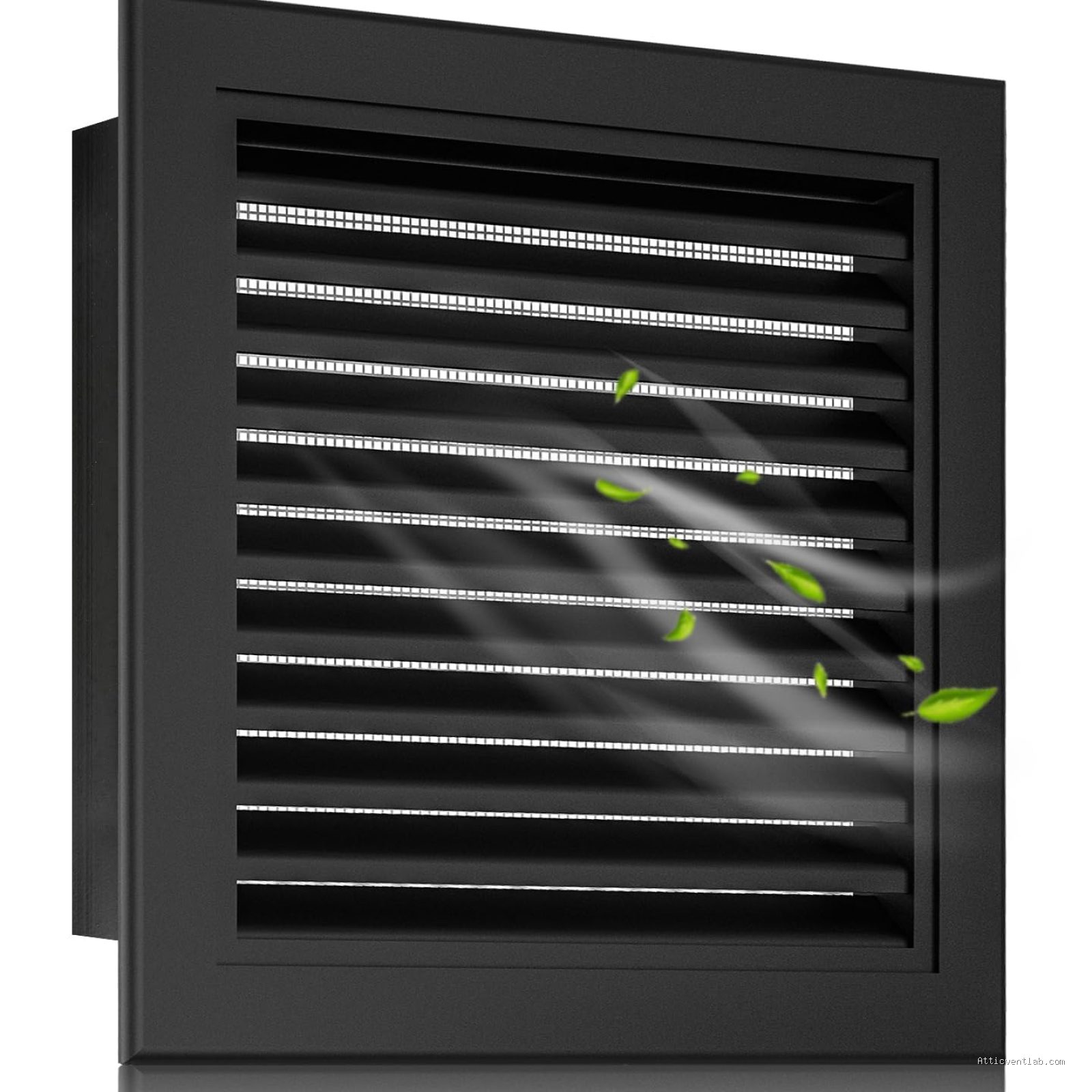
Atticventlab.com – Preventing birds and bats from entering attic gable louver vents requires installing high-quality, corrosion-resistant stainless steel hardware cloth or dedicated vent covers that maintain airflow while creating a physical barrier impenetrable to wildlife. These pests gain access through gaps in louvers, necessitating a secure, exclusion-based approach to protect your attic insulation and structural integrity.
Understanding the Risk of Attic Infestation
Attic gable vents are designed to allow hot air to escape, but their slatted structure acts as an open invitation for wildlife. Birds often view these vents as secure nesting sites, while bats can squeeze through gaps as small as three-eighths of an inch. Once inside, these animals cause significant damage. Their droppings, known as guano, carry fungal spores and bacteria that pose serious health risks to humans. Furthermore, nesting materials are highly flammable, creating a major fire hazard near your electrical wiring.
Beyond the structural damage, the noise and odor associated with an infestation are often the first signs homeowners notice. If you hear scratching or flapping sounds in the upper reaches of your home, or if you detect a strong, ammonia-like scent, it is highly probable that an animal has bypassed your existing vent protection. Ignoring these signs leads to long-term issues like water damage from blocked airflow and the accumulation of parasites like mites or fleas that follow the animals into your home.
Selecting the Right Materials for Exclusion
Not all screening materials are created equal. Many homeowners make the mistake of using standard plastic insect netting, which birds can easily tear through or bats can chew. For effective exclusion, you must use heavy-duty materials that can withstand outdoor exposure and animal pressure. Stainless steel hardware cloth with a quarter-inch mesh size is the gold standard. It prevents entry while allowing maximum ventilation, ensuring your attic continues to breathe properly.
Comparison of Vent Protection Methods
| Material Type | Effectiveness | Durability | Airflow Rating |
|---|---|---|---|
| Plastic Mesh | Low | Low | High |
| Stainless Steel Hardware Cloth | High | Excellent | High |
| Custom Louver Covers | High | High | Moderate |
| Fiberglass Screen | Medium | Low | Moderate |
Step-by-Step Installation Guide
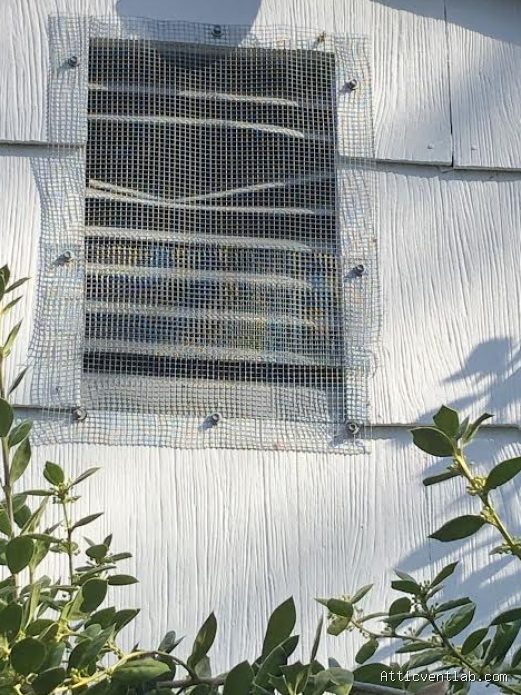
📷 Photo by storage.googleapis.com
Before beginning the installation, ensure you have a sturdy ladder, safety gear, and the appropriate fasteners. Never attempt this process if you suspect that animals are currently trapped inside, as you could cause them to die within the attic, creating a severe sanitation problem.
- Inspect the attic interior to ensure no nests or live animals are present; if they are, contact a professional wildlife removal service first.
- Measure the entire exterior dimensions of the gable louver vent, adding at least two inches to each side to allow for secure mounting.
- Cut the stainless steel hardware cloth using heavy-duty metal snips to match your measured dimensions.
- Position the screen over the vent, ensuring it is flush against the siding, and secure it using galvanized screws with washers every six inches.
- Apply a thin bead of exterior-grade silicone caulk around the perimeter of the screen to seal any microscopic gaps where bats might squeeze through.
Common Mistakes to Avoid
One of the most frequent errors is reducing the size of the vent opening too drastically. While you want to stop animals, you must not restrict the airflow required for proper attic health. If the ventilation is blocked, moisture will accumulate, leading to mold growth on your roof decking and rafters. Always aim for a mesh size that is small enough to stop pests but open enough to allow air to pass through freely.
Another mistake is failing to inspect the surrounding trim. Often, homeowners seal the vent perfectly but neglect the gaps between the louver frame and the siding. Wildlife is opportunistic; if they find a gap near the vent, they will exploit it. Always check the integrity of the trim around the vent and seal any cracks with high-quality exterior caulk or expanding foam before installing your final exclusion screen.
Maintenance and Long-Term Prevention
Once your exclusion screens are installed, your work is not entirely finished. Debris such as leaves, pine needles, and spiderwebs can accumulate on the mesh over time, which will eventually clog the vent. Perform a visual inspection of your gable vents at least twice a year, ideally in the spring and autumn. Use a long-handled brush or a leaf blower from the ground to clear away any buildup that might impede airflow.
If you live in an area with a high bat population, be particularly vigilant during the late summer months. This is when juvenile bats are learning to fly and are more likely to explore narrow gaps in search of roosts. By maintaining your barriers, you ensure that your home remains a fortress against unwanted visitors while preserving the essential cooling functions of your attic ventilation system.
Frequently Asked Questions
Q: Can I use chicken wire to block my gable vents?
A: No. Chicken wire has holes that are far too large, allowing small birds and bats to enter easily. It is also prone to rusting and is not strong enough to deter persistent animals.
Q: Is it safe to seal the vents while animals are inside?
A: Absolutely not. Sealing an entry point while animals are inside will cause them to die, leading to severe odor, pest infestations, and potential structural damage as they try to claw their way out.
Q: How do I know if I have blocked too much airflow?
A: If you notice signs of excessive humidity in your attic, such as damp insulation or water stains on the underside of the roof deck, your vents may be too restricted. Always prioritize using a mesh that maintains at least 80 percent of the original vent’s open area.
📷 Photo by amazon.com


Leave a Reply