

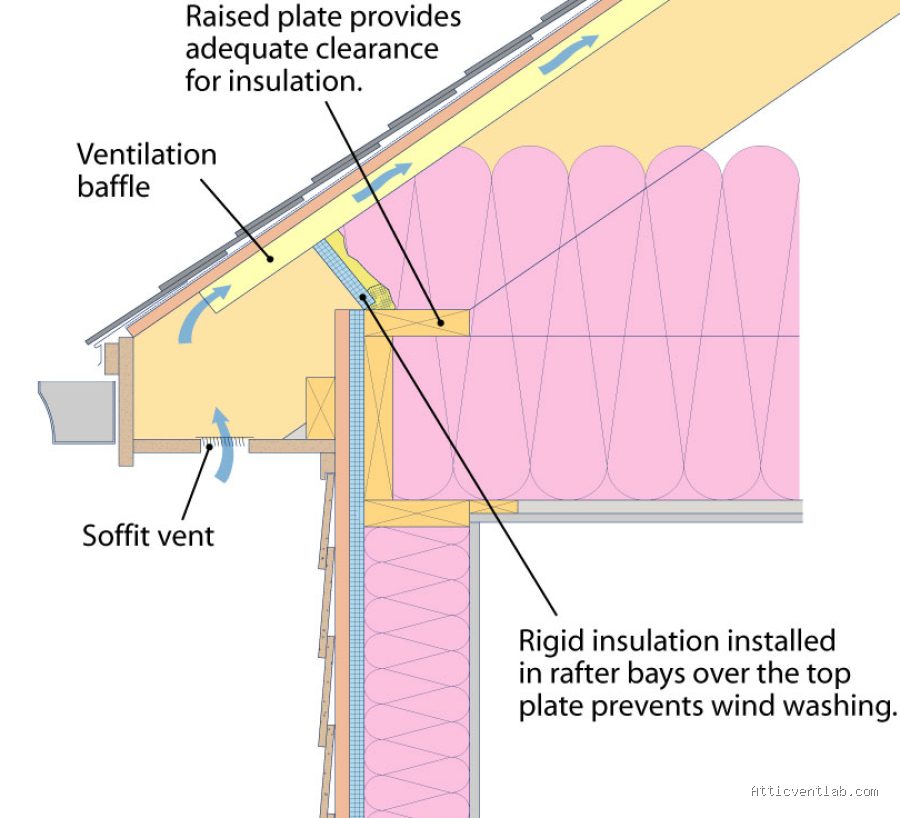
Atticventlab.com – Negative attic pressure occurs when your attic space acts as a vacuum, drawing conditioned air out of your living areas through ceiling gaps, light fixtures, and plumbing penetrations. This phenomenon significantly increases energy bills, forces your HVAC system to work overtime, and accelerates the degradation of your home’s indoor air quality.
Understanding the Mechanics of Attic Pressure
Attic pressure is rarely neutral. In an ideal home environment, the attic should be naturally ventilated to match the outside air pressure. However, when an attic is poorly sealed or improperly ventilated, it can develop negative pressure. This happens when air is exhausted out of the attic faster than it can be replaced by soffit or ridge vents, or when internal home fans—such as bathroom exhausts or kitchen hoods—pull air from the living space into the attic cavity.
When the attic becomes depressurized, it creates a suction effect. Since the attic is connected to the living space through various “leaks” in the ceiling plane, the attic effectively “steals” the cool, conditioned air you paid to produce. This process is known as the stack effect, where warm air rises and escapes into the attic, while the negative pressure pulls conditioned air up to replace it, creating a perpetual cycle of energy loss.
Identifying the Signs of Negative Attic Pressure
Recognizing the symptoms early can save you thousands in utility costs and HVAC repair bills. Many homeowners mistake these signs for general HVAC inefficiency or poor insulation, but the root cause is often pressure-related.
One of the most common indicators is a noticeable increase in humidity levels within the home during summer months. As conditioned air is sucked into the attic, it is replaced by hot, humid air from the outside, which infiltrates through wall cavities and crawl spaces. If you notice your air conditioner running constantly without ever reaching the set temperature, or if you feel inconsistent temperatures in different rooms, you are likely experiencing air leakage driven by pressure differentials.
Another physical sign is the presence of dust streaks or darkened insulation around recessed lighting fixtures. These “ghosting” marks occur because the light fixture acts as a chimney; air is pulled from the room, through the fixture, and into the attic, leaving behind microscopic dust particles as it passes through the narrow gaps. If your ceiling shows these faint dark rings around light fixtures or HVAC registers, it is a clear indicator that your ceiling plane is not airtight.
Comparative Impact of Attic Pressure Issues
📷 Photo by chatticinsulation.ca
| Issue Type | Common Symptom | Impact on HVAC | Primary Cause |
|---|---|---|---|
| Negative Pressure | High humidity, dust streaks | Increased run-time/wear | Blocked soffit vents |
| Positive Pressure | Musty attic smells | Moisture damage/mold | Over-ventilation |
| Air Leaks | Drafty rooms | Energy loss | Unsealed penetrations |
The Risks of Ignoring Attic Pressure
Beyond the financial burden of high electricity bills, negative attic pressure poses structural risks. When conditioned air moves into the attic, it often carries moisture. During the summer, this moisture can condense on cooler attic surfaces or insulation, creating a breeding ground for mold and mildew. Over time, this moisture can rot roof decking and damage the structural integrity of your attic trusses.
Furthermore, the air being pulled into the attic is often replaced by “make-up air” from outside. This air is unfiltered and unconditioned. If your home is pulling air from a crawl space or an unventilated wall cavity, you may be introducing allergens, insulation fibers, and carbon monoxide from gas-burning appliances into your living space. This compromises your indoor air quality and can lead to long-term respiratory issues for occupants.
Practical Steps to Mitigate Attic Pressure
📷 Photo by ahtest.presonus.com
Fixing attic pressure issues requires a systematic approach to sealing the “envelope” of your home. You must stop the conditioned air from escaping into the attic before you worry about ventilation adjustments.
- Conduct a visual inspection of your attic floor to identify gaps around plumbing stacks, electrical wires, and chimneys.
- Seal these penetrations using high-temperature fire-rated foam or caulk to prevent air migration.
- Ensure that all recessed lighting fixtures are IC-rated (Insulation Contact) and airtight to prevent them from acting as air vents.
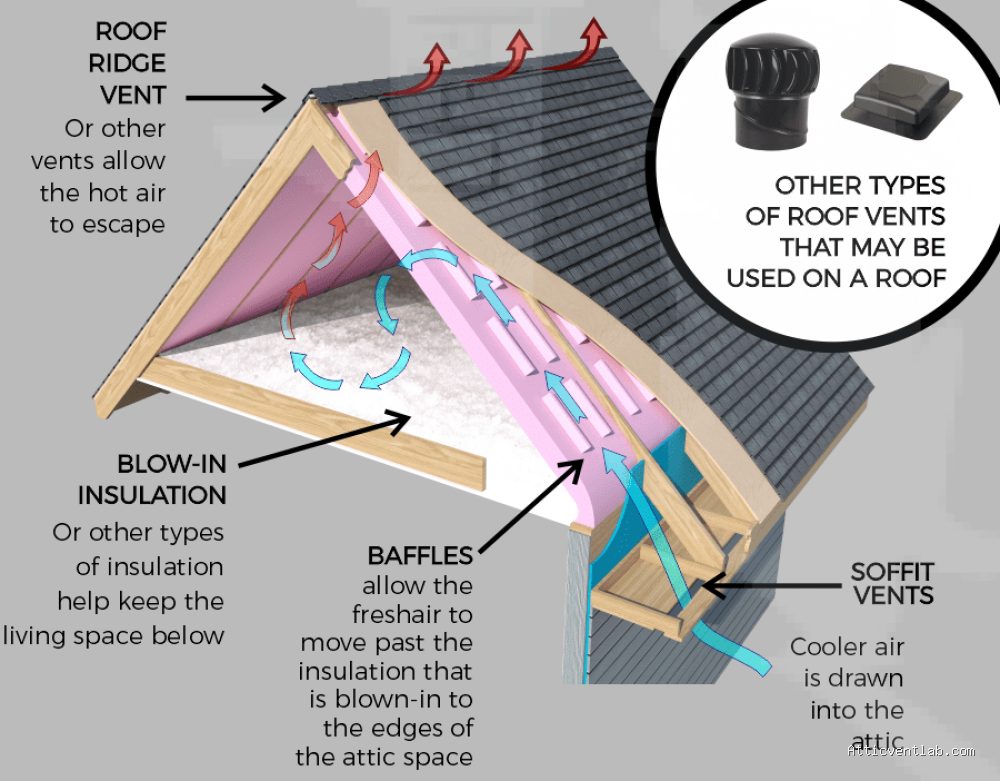
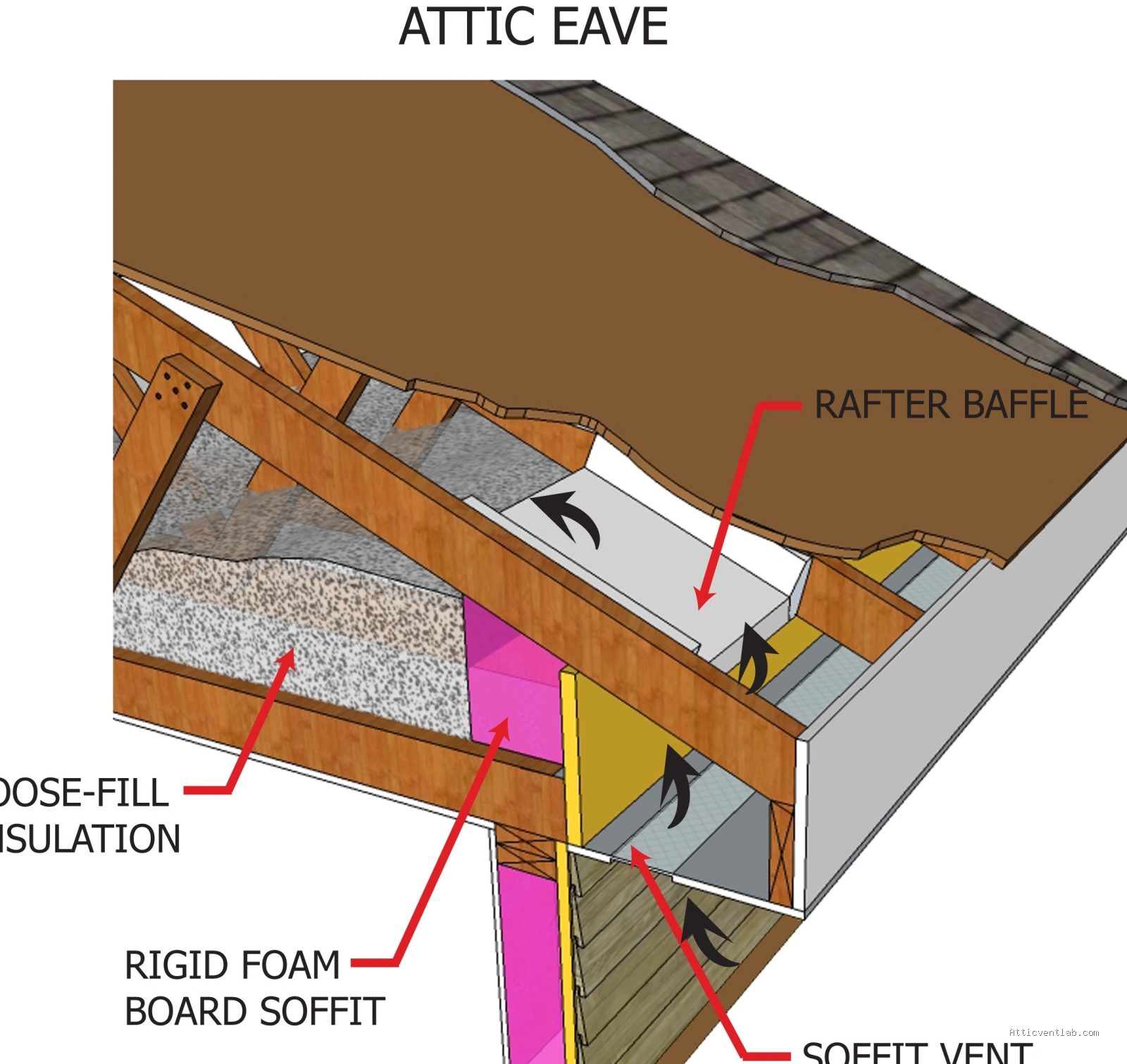
- Check your soffit vents to ensure they are not blocked by insulation; if they are, install baffles to maintain a clear pathway for intake air.
- Consult with a professional to perform a blower door test, which quantifies exactly how much air is leaking from your living space into the attic.
Common Mistakes Homeowners Make
A frequent error is adding more insulation without first sealing the air leaks. Insulation is designed to stop heat transfer, not to stop air movement. If you pile fiberglass or cellulose on top of an unsealed ceiling, the air will still move through the material, rendering the insulation significantly less effective. Always seal the gaps first, then add the insulation.
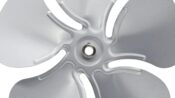
Another mistake is over-venting the attic with powered attic fans. While it seems logical to move more air, these fans often create a stronger negative pressure, pulling even more air from your living room. Instead of active fans, focus on passive ventilation that allows for a natural flow of air from the soffits to the ridge, which maintains pressure balance without mechanical suction.
Frequently Asked Questions
Q: Can I fix attic pressure issues by myself?
A: Yes, you can seal minor gaps around plumbing and light fixtures using store-bought foam. However, for major structural leaks or complex ventilation issues, hiring a professional energy auditor is recommended.
Q: Does adding more insulation help with pressure?
A: No, insulation does not stop air leaks. In fact, if you install insulation over unsealed gaps, you may trap moisture and create mold problems rather than solving the pressure issue.
Q: Why does my home feel dusty even after cleaning?
A: Dust often accumulates because of negative pressure pulling air from the attic or wall voids into the home. Sealing the ceiling plane is the most effective way to reduce this persistent dust accumulation.
📷 Photo by storage.googleapis.com


Leave a Reply