

Atticventlab.com – Cleaning pine needles from open W-valley flashing requires a combination of manual debris removal and controlled rinsing to prevent water dams and roof leaks without damaging your shingles or flashing material.
Pine needles are notorious for accumulating in the valleys of roofs, which are the most critical drainage points on your home. Because valleys are where two roof slopes meet, they are designed to channel large volumes of water toward your gutters. When pine needles form a thick mat in these channels, they act like a sponge, soaking up water and holding it against the flashing. This trapped moisture eventually finds its way under the shingles, leading to wood rot, mold growth, and interior water damage.
The primary danger of ignoring these needles is the creation of a “damming” effect. Unlike leaves, which decompose relatively quickly, pine needles are acidic and waxy, meaning they don’t break down easily. They interlock to create a dense layer that blocks the metal flashing, forcing water to spill over the sides of the valley and seep beneath the roofing felt. Addressing this is not just about aesthetics; it is a vital part of roof maintenance that extends the lifespan of your entire roofing system.
Safety First: Preparation and Gear
Before stepping onto any roof, you must prioritize safety. Falls from roofs are the most common cause of serious injury in home maintenance. Always ensure you have a sturdy, properly rated ladder and a reliable harness system if the roof pitch is steep. Never attempt this task during or immediately after a rainstorm, as pine needles become incredibly slick when wet, turning the valley into a dangerous slide.
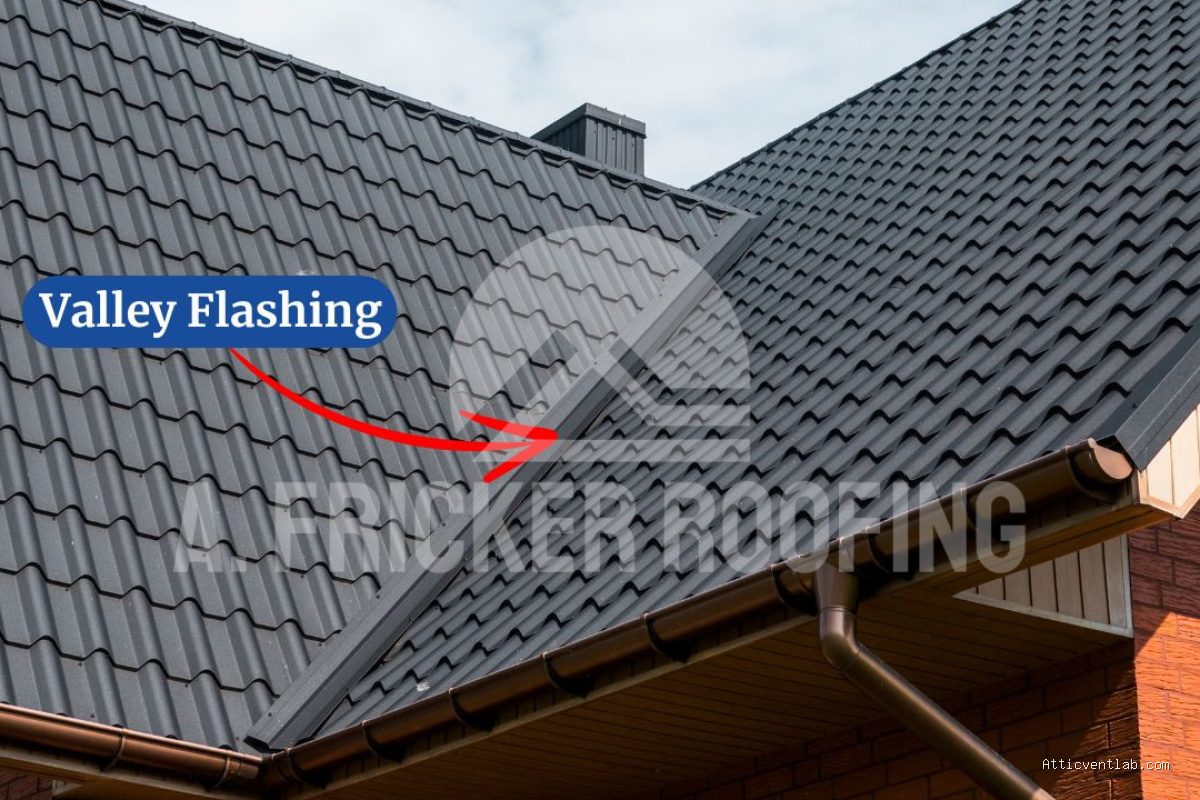
📷 Photo by africkerroofing.com
Wear rubber-soled shoes with excellent grip and work gloves to protect your hands from the sharp, resinous edges of the needles and potential rusted metal flashing. If you are uncomfortable with heights, hire a professional roofing contractor. It is far cheaper to pay for a cleaning service than it is to pay for a hospital bill or a major roof repair.
Step-by-Step Cleaning Process
Follow these steps to safely clear the debris from your W-valley flashing without causing damage to the roof surface.
- Position your ladder on a stable, level surface away from the valley itself. Never lean your ladder directly against the gutter if it is full of debris, as it could collapse.
- Start at the top of the valley and work your way downward. Using a soft-bristled brush or a plastic garden scoop, gently lift the needles out of the valley channel. Avoid using metal rakes or stiff wire brushes, as these can scratch the protective coating of the metal flashing and lead to premature corrosion.
- Once the bulk of the needles are removed, use a leaf blower on a low-to-medium setting to clear the remaining fine debris. Direct the airflow downward along the valley to ensure needles are pushed off the roof and into the gutters or onto the ground.
- After the debris is cleared, inspect the flashing for signs of rust, gaps, or lifted shingles. If the flashing is loose, it may need to be resealed with high-quality roofing cement.
- Gently rinse the valley with a garden hose using a spray nozzle. This helps identify any remaining clogs and flushes out the acidic pine resin that can accelerate the degradation of roofing materials.
Comparison of Cleaning Methods
| Method | Pros | Cons | Risk Level |
|---|---|---|---|
| Manual Scooping | Precise, no water waste | Slow, labor-intensive | Low |
| Leaf Blower | Very fast, thorough | Can blow needles under shingles | Medium |
| Pressure Washer | Deep cleans residue | Risk of shingle damage | High |
| Garden Hose Rinse | Effective for final cleanup | Minimal debris removal | Low |
Common Mistakes to Avoid
One of the most frequent mistakes homeowners make is using a high-pressure washer to blast the needles out of the valley. While it may look effective, the extreme pressure can force water underneath the shingles, effectively causing the leak you are trying to prevent. Furthermore, high-pressure water can strip the granules off your asphalt shingles, significantly shortening their lifespan.
Another common error is failing to clean the gutters after clearing the valley. If you push all the pine needles into the gutter and leave them there, you have simply moved the problem. Clogged gutters will cause water to back up into the eaves, causing fascia board rot and potential basement flooding. Always ensure that the downspouts are clear after cleaning the valleys.
Long-Term Prevention Tips
If your home is surrounded by pine trees, you will likely need to clean your valleys at least twice a year—typically in late spring and late autumn. If the accumulation is severe, consider trimming back branches that overhang the roofline. While you cannot stop the wind from blowing needles onto your roof, reducing the proximity of the tree canopy can significantly decrease the volume of debris that lands directly in the valleys.
Some homeowners opt for valley guards or specialized screens. However, these can sometimes trap debris underneath them, making it even harder to clean. Regular manual maintenance remains the most reliable way to ensure your W-valley flashing performs its job correctly.
Frequently Asked Questions
Q: How often should I check my roof valleys for pine needles?
A: You should inspect your valleys at least twice a year. If you live in an area with a high density of pine trees, check them once every three months to prevent heavy buildup.
Q: Can pine needles cause permanent damage to my roof?
A: Yes, the acidity in pine needles and the moisture they trap can cause premature shingle degradation, metal flashing corrosion, and wood rot in the roof decking if left unattended for long periods.
Q: Is it safe to walk on the roof to clean these valleys?
A: Walking on a roof is dangerous and can damage shingles. It is safer to clean from a ladder whenever possible, or use specialized roof-safe shoes if walking is absolutely necessary.
By staying diligent and using the right tools, you can keep your valleys clear and your roof healthy for years to come. Remember that consistent, small efforts are always better than reacting to a major leak after the damage is already done.
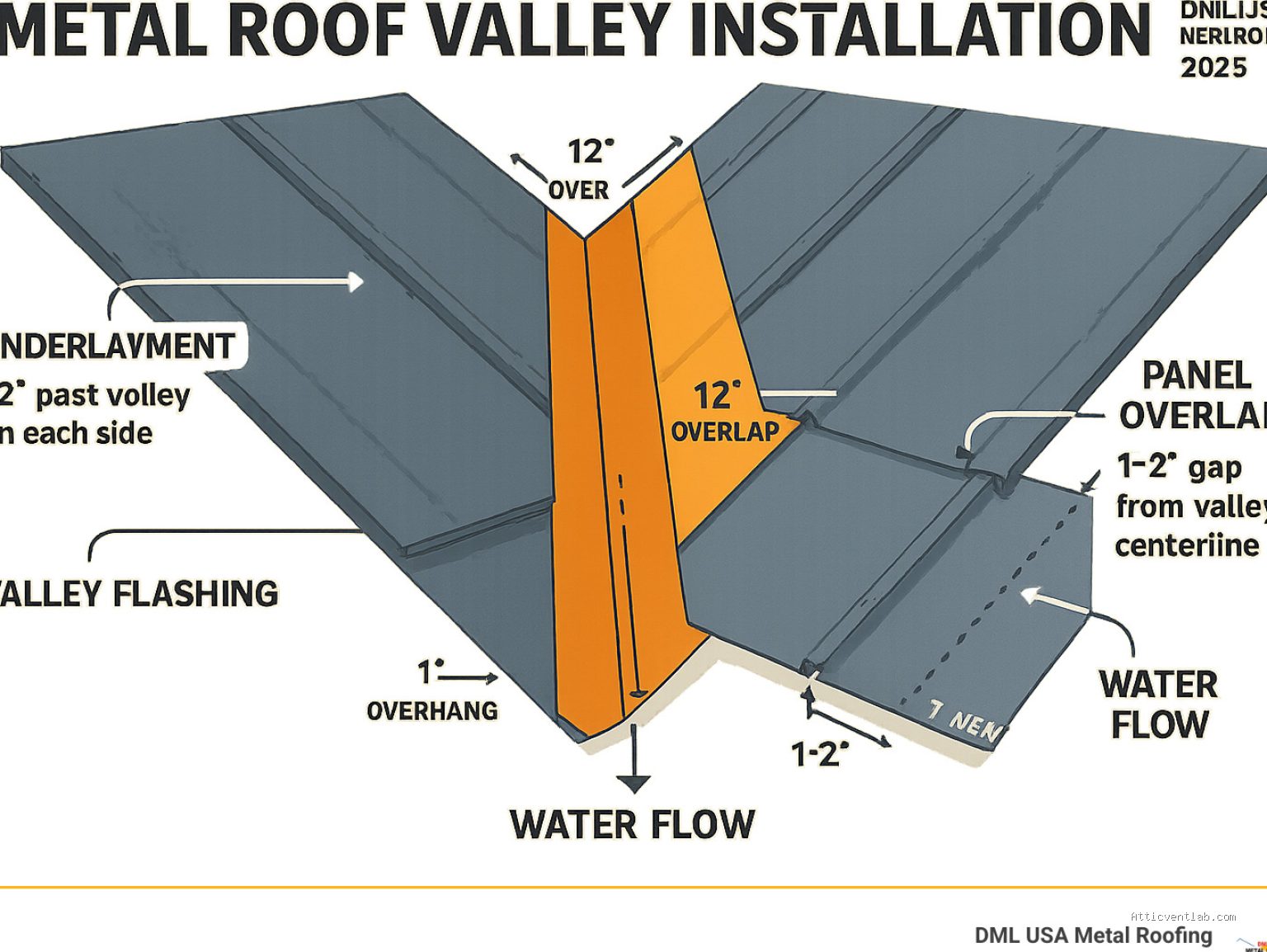
📷 Photo by dmlusa.com






Leave a Reply